

If cracking your phone screen ranks near the top of your list when it comes to tech disasters, you’re not alone. It is one of the reasons there are so many different types of screen protectors available. But do they really work? The short answer is that they can. I consider myself very kind to my gadgets — I take good care of them and don’t needlessly throw them around or put them somewhere they’ll get banged up. But even I drop my phone a couple of times a week. Every time I do, I worry I’ll pick up my phone and find my screen cracked or scratched. But with my phone case and screen protector, I haven’t had that happen in over a decade.
If you pick the right screen protector and install it correctly, this tool brings peace of mind and extra protection for pricey gadgets. I spoke with tech repair experts to better understand how screen protectors work, how to select the right one for your needs and got their personal recommendations.

 Best privacy screen protector$39.99$44.99


Do you really need a screen protector for your phone?
Do you tend to drop your phone? Or maybe you don’t, but still want a little peace of mind when it comes to products you spend a decent amount of money on? If your answer to either of these questions is yes, a screen protector may be a smart investment. Plus, scratching or damaging your screen is easier than you might think. If you carry your phone in your purse, backpack or pocket with change or keys, the screen can easily get scratches from rubbing against those hard surfaces. This can weaken the integrity of the original display and cause cracks more easily, says Arthur Zilberman, president of laptop repair company Laptop MD.
Screen protectors are the best way to minimize cracks, scratches and shattering of your physical screen, according to the experts spoke with. While they vary in price, most aren’t terribly expensive: Plastic ones typically cost less than $15, while glass screen protectors range from around $10 to upwards of $50.
There are limitations to what a screen protector can do, though: “It isn’t going to cover every square millimeter of the glass display,” says Mac Frederick, the owner of Phone Repair Philly. The protector also usually won’t protect the back, edges and corners of your phone — the experts I spoke to suggest pairing a screen protector with a heavy-duty case from brands like Casetify or Otterbox, preferably one with rubber edges that’ll absorb the impact of a drop and prevent damage.
How I picked the best screen protectors
I spoke with tech repair experts to better understand how screen protectors work and the differences between models. Combining their advice with my experience covering tech, I kept the following in mind when choosing the top picks below:
- Material: Though screen protectors can be made from a variety of materials, I focused mostly on options made from tempered glass, which has excellent scratch and fall resistance.
- Size availability: A screen protector is only useful if it fits over the entirety of your phone screen. Every screen protector recommended is available in various sizes specific to individual phone models.
- Price: I selected products across a range of prices, ranging from less than $10 to $60.
Related

Want more from NBC Select? Sign up for our newsletter, The Selection, and shop smarter.
The best screen protectors of 2026
The recommendations below come directly from our experts or NBC Select staff, and are largely products with thousands of positive customer reviews online.
Best overall

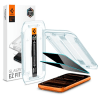
Experts I spoke with recommend Spigen as a great brand for most people. Zilberman says this model is case-friendly, affordable and durable. It’s also easy to install — it comes with an alignment tray that you place on top of your phone screen and press down on to secure the protector in place. You get two screen protectors with each purchase, in case you ever need to replace the first one. This screen protector is available for iPhone (linked above), Samsung Galaxy and Google Pixel devices.
Runner-up

Frederick says Zagg screen protectors are a great value for the quality you get. The XTR4 version is the brand’s strongest model, made with tempered glass that’s reinforced with graphene, making it much stronger, according to the brand.
It comes with an installation tray that helps align your phone and avoid air bubbles as you apply it. Former NBC Select senior editor Lindsay Schneider has used a Zagg screen protector for years, and her phone is still in great condition. This screen protector is available for iPhone (linked above) and Samsung Galaxy devices, among others.
Best budget

For affordable durability, Frederick recommends Supershieldz tempered glass screen protectors. This one is a three pack of tempered glass screen protectors, each with rounded edges and a fingerprint-resistant coating, according to the brand. Supershieldz’s tempered glass screen protectors are available for devices from Apple, Samsung, Google and LG.
Another budget option

Zilberman recommends Ailun as a budget screen protector brand. Similar to Supershieldz, this three-pack of screen protectors has a fingerprint-resistant coating, but it also comes with an installation frame in the box that should make applying the protectors easier. Ailun screen protectors are available for iPhone (linked above), Samsung and Google devices.
Best privacy screen protector

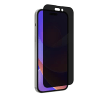
This screen protector makes it harder for onlookers to see what is on your screen — it looks totally dark if you look at it from the sides. NBC Select updates editor Mili Godio has used it for years to tackle work emails in crowded airports and on the subway without worry. It also offers great protection against the various hardwood and tiled floors Godio has dropped it on. As with any privacy protector, your screen’s colors and brightness will be a bit faded compared to using a regular screen protector. Godio has it on her iPhone 14 Pro, but you can get it for other iPhone, Google and Samsung devices too.
Staff pick


NBC Select associate SEO reporter Ashley Morris and NBC Select reporter Zoe Malin both use this screen protector. Morris has been using Otterbox’s Premium Blue Light protectors for years and finds them very durable and easy to install. As someone who drops their phone a lot (as in multiple times a day), her protectors tend to get a bit banged up over time, so she also loves that Otterbox’s warranty program lets her replace the protector for free (excluding shipping).
Related

How to shop for screen protectors
When shopping for a screen protector, focus on material, comfort and ease of installation. Overall, the experts I spoke to agree that screen protectors made from tempered glass tend to be best. Here’s a bit more info to keep in mind:
Material: Screen protectors come in a variety of materials. There are plastics like polyethylene terephthalate (PET) and thermoplastic polyurethane (TPU), as well as tempered glass (with some that are even made from chemically strengthened, shatterproof glass). The experts I spoke with agree that a quality tempered glass protector will be more effective at protecting your display than plastic protectors. This is because tempered glass is a stronger material that can absorb the impact if your phone falls — Godio has had her tempered glass case for over a year and dropped her phone countless times without a scratch.
Comfort and feel: We touch our phone screens to use them, so the feel and responsiveness of a screen protector is important. Screen protectors can sometimes change a phone’s touchscreen sensitivity — certain smartphone models ask you to input whether or not you’re using a screen protector on the device to better calibrate sensitivity, says Zilberman. Tempered glass is designed to have a smoother feel than other screen protectors and won’t affect touchscreen sensitivity much, according to experts.
Display: Tempered glass mimics the original display and offers good clarity, whereas plastic screen protectors can create an unsightly glare and affect screen quality by adding a “murkier and grayer hue to your screen,” says Zilberman. Both plastic and tempered glass protectors can have privacy and anti-glare filters to fit your preferences. However, tempered glass protectors are more physically noticeable on your screen since they’re thicker — a plastic protector blends in remarkably well with the original display, according to our experts.
Ease of installation: Installing a screen protector can be difficult, especially when there’s a chance of misaligning the protector or having annoying air bubbles and specks of dust lodged underneath the film. Most screen protectors include a plastic installation tray that can go directly over your phone screen to align the protector or one that holds your phone while you guide the screen on. Alternatively, some protectors come with “guide stickers” showing where the screen protector will lie on your screen.
Compatibility: According to Frederick, there isn’t much variation in how well a screen protector works from one smartphone brand to another. However, screen protectors come in different shapes and sizes depending on your phone, so it’s always good to check compatibility before purchasing.
Meet our experts
At NBC Select, we work with experts who have specialized knowledge and authority based on relevant training and/or experience. We also take steps to ensure all expert advice and recommendations are made independently and without undisclosed financial conflicts of interest.
- Arthur Zilberman is the president of tech repair company Laptop MD, and has been in the laptop repair business for over 20 years.
- Mac Frederick is the owner of Phone Repair Philly, located in Philadelphia, PA.
Why trust NBC Select?
Harry Rabinowitz is a reporter at NBC Select who covers technology and fitness including recent stories on smartwatches, headphones and cameras. For this piece, Rabinowitz spoke with electronic repair experts to learn more about screen protectors and what to keep in mind when shopping for one.
Catch up on NBC Select’s in-depth coverage of tech and tools, wellness and more, and follow us on Facebook, Instagram, Twitter and TikTok to stay up to date.

