Removing makeup at the end of a long day or night out is one of my least favorite parts of my routine, and I’ll admit that it’s a step I sometimes skip. To make matters worse, when I do remove it, I’ll sometimes see leftover foundation on my towel after washing my face, or mascara residue under my eyes the next morning. So, does the remover you use depend on the type of makeup you’re wearing?
I spoke to dermatologists and skin care experts about the best makeup removers to use based on the makeup you wear, and how to make sure your skin is completely clean before bed. I also rounded up expert-recommended makeup removers and NBC Selected editor favorites.
 Best for long-wear makeup$undefined$44.00


Related

Want more from NBC Selected? Sign up for our newsletter, The Selection, and shop smarter
Does the type of makeup you wear determine what type of makeup remover to use?
Yes, and it’s actually one of the most overlooked parts of a typical skin care routine. “Makeup formulas behave in very different ways, so a remover that works well on a light skin tint may do very little against waterproof mascara,” says Dr. Gina Maccarone, triple board-certified cosmetic surgeon and founder of The Surgeonista. “When you match the remover to the formula, you remove makeup completely with less rubbing, and that protects the skin barrier over time.”
What type of makeup remover is best?
Turns out, there’s no one-size-fits-all makeup remover, and the type of makeup you’re wearing usually determines how you remove it. Below, I list a few popular types of makeup and the best products to remove each one based on my experts’ guidance.
- Waterproof mascara and eyeliner: Waterproof makeup is hydrophobic, meaning it repels water, so water-based cleansers alone may not effectively remove it. Instead, use an oil-based or bi-phase remover to break down those water-repelling agents. “Bi-phase eye makeup remover is typically best, as it has both an oil phase and a water phase,” says Katharine Perry, board-certified nurse practitioner at MONA Dermatology. “The oil phase helps to break down the product, and the water phase helps to flush any residue.”
- Long-wear or matte lipstick: An oil or cleansing balm loosens long-wear lipstick much better than micellar water or a foaming cleanser, says Maccarone.
- Full-coverage foundation and concealer: Use a cleansing oil or balm as a first step. “These formulas often contain silicones and pigments that oil dissolves well, and massaging an oil over dry skin lifts the makeup without aggressive rubbing,” says Maccarone. Follow it up with a gentle water-based cleanser to clean your skin afterward.
- Tinted moisturizers and skin tints: “Lighter makeup can still have some of those staying power ingredients, so it’s best to know what is actually in your makeup when deciding on a cleanser,” says Perry. Lightweight makeup usually comes off with a gentle cleanser, but those with sunscreen might be harder to remove. “If you’re wearing sunscreen under your skin tint, which I always recommend, a quick pass with micellar water or a cleansing oil first helps make sure everything is fully removed,” says Maccarone.
- Liquid and cream makeup: Foundations, blushes, contours and other makeup with a cream or liquid formula, especially long-wear ones, bind more closely to the skin and usually benefit from an oil or balm first, says Maccarone. “The more a product is designed to last, the more thoughtful the removal step needs to be,” she says.
- Powder foundation, blush and bronzer: “Powder doesn’t have the same adherence to the skin as a liquid product would, so a gentle cleanser usually works,” says Perry.
Best makeup removers overall

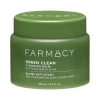
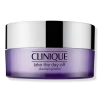
Maccarone recommends this cleansing balm for full-coverage or long-wear makeup, but it’s a great option for any type of makeup you use. “It melts on contact, dissolves foundation and sunscreen without harsh rubbing and rinses clean,” she says. It’s also one of our favorite cleansers for acne-prone skin because it’s gentle and won’t clog pores. “It melts makeup away so easily that even trickier products, like tubing and waterproof mascara, are easy to take off,” says NBC Selected associate SEO reporter Ashley Morris. “Another upside is that I don’t have to do much rubbing; after I swipe it across my face, I can go right in to rinse it off without having to knead or pull at my skin.”

As someone with sensitive skin, I’ve used dozens of makeup removers that have caused redness and irritation. This Farmacy cleansing balm is one that actually worked at removing makeup, even tough mascara and liquid eyeliner, without stripping my skin or creating red, blotchy spots on my face. It does have a subtle scent, but it doesn’t leave that dry, tight feeling that’s so common after cleansing.

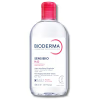
Maccarone and Perry both recommend Bioderma’s oil-free micellar water for sensitive skin or lighter makeup days because it’s gentle, fragrance-free and well-tolerated by most skin types, she says. It’s also a favorite of NBC Selected editorial operations associate Jem Alabi, who came across this micellar water while studying abroad in Paris for a semester and was “thrilled” to find it on Amazon when she came back. “As a waterproof mascara lover, this product doesn’t sting, leave my skin too dry and red, or have an astringent smell,” she says.

We can help you find
Best for waterproof mascara and eye makeup

This expert-recommended micellar water is extremely versatile: It removes eye makeup, dirt and sunscreen without causing irritation or stinging. To remove waterproof mascara and eyeliner, apply the micellar water on a cotton pad and hold it gently against your closed eyes for about 15 to 30 seconds, which loosens up the makeup and makes it come off easier, says Ostad. Plus, you don’t need to rinse it off afterward

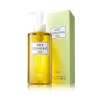
Using a cleansing oil is one of the most effective ways to remove stubborn, heavy and waterproof makeup since it breaks down the product quicker, experts say. It comes recommended by Maccarone, who says it emulsifies beautifully with water, which makes it a good option even for people who worry about oil cleansers. It also has vitamin E to moisturize skin and it won’t clog pores, according to the brand.
Best for full-coverage foundation and concealer

This cleanser, which starts off as a balm and turns into an oil as you massage it into your skin, comes recommended by both Perry and board-certified dermatologist Dr. Annette Czernik. “It does a great job of breaking down makeup, even heavier foundation and waterproof products,” says Czernik. It has a blend of antioxidants and oils that give your skin extra moisture, so it leaves your skin feeling soft instead of dry or tight. “It’s a little more expensive than some other makeup removers, but I think it’s a good option for someone who wears makeup regularly,” says Czernik. The balm does have a subtle scent, but luckily it doesn’t linger once you wash it off, experts say.

“For the longest time, makeup wipes were my go-to for taking off my makeup, no matter how much I was wearing. That was until I discovered cleansing balms, and this one from Reale Actives melts off my makeup in just a few minutes while simultaneously hydrating and cleansing my skin,” says NBC Selected associate social media editor Caitlin Cusack. Even when she has a full face of makeup on, this cleansing balm does a great job of breaking down makeup without irritating her sensitive, acne-prone skin. Plus, it doesn’t burn or sting her sensitive eyes even when wearing her most stubborn mascaras, she says.
“I still wash my face with a water-based cleanser after using the cleansing balm, so it adds an extra step to my routine, but I’m willing to spend the extra time if it means preventing makeup buildup and acne,” says Cusack.

I love this cleansing balm: It turns from a solid to a milky consistency that moisturizes and smooths my skin while seamlessly breaking down my makeup. Plus, a little goes a very long way, so the tub lasts me for months after using it one to three times a week. It has elderberry oil, which is high in essential fatty acids that help regulate oil production and hydrate skin; starflower oil, which reduces water loss and inflammation; and padina pavonica, a type of Mediterranean brown algae known for hydrating, according to the brand.
Best for matte and long-wear lipstick

I’ve used this cleansing oil for over a year, and it’s one I instantly reach for if I’m wearing a darker matte lipstick or dark-colored eyeshadow. A few minutes of gently rubbing this cleansing oil into my lips and eyes takes off the color almost immediately. Since my lips are one of the most sensitive parts of my face and get dry and red easily, I love that this cleansing oil is gentle and fragrance-free to avoid any irritation. It also leaves absolutely no residue, doesn’t leave a gross taste in my mouth when I use it, and is noncomedogenic, so it won’t clog your pores if you choose to use it on the rest of your face.
Best for powder makeup

Since powder doesn’t adhere to the skin as well as liquid or cream makeup products, you don’t need a super powerful makeup remover, experts say. If I’m wearing powder makeup, a little bit of concealer or a tinted moisturizer and need something quick and easy to remove it, or if I have some leftover mascara under my eyes in the morning, I reach for these gentle cleansing pads. They remove a light amount of makeup with just a few swipes, and I don’t have to rinse it off afterward (which comes in handy on lazy days). I’ve also been traveling a lot this year and they’re small enough to fit comfortably in my travel backpack, which means I always have a makeup remover on hand. Keep in mind they won’t remove heavy eye makeup or long-wear foundation, so you’ll need to use a cleansing balm or oil beforehand to get it all off.

I take a travel-size version of this cleanser whenever I go on a trip because it leaves my skin clean and hydrated, and it removes my lighter makeup and powders, which means I don’t have to take both a makeup remover and a cleanser in my travel bag. I love how gentle it is on my sensitive, acne-prone skin, and the light, gel-like texture doesn’t leave my skin feeling stripped and tight.
Does removing eye makeup require special consideration?
Yes, you should be careful when removing your eye makeup. “You never want to aggressively rub your eyes because the skin around them is delicate, and too much pulling can irritate your eyes or damage your lashes,” says dermatologist and reconstructive surgeon Dr. Ariel Ostad. One trick is to soak a cotton pad with a remover and gently hold it against your closed eye for about 15 to 30 seconds, which gives the product time to loosen the makeup before you wipe it away, says Ostad.
Glitter, shimmer or highly pigmented eye makeup can be especially tricky because those tiny particles can get into your eyes. “I’d recommend using a gentle cleansing balm that’s safe for the eye area, since it can help break down stubborn makeup without a lot of rubbing,” says Ostad.
What is the difference between cleansing oils, cleansing balms and micellar water?
These are the most popular types of makeup removers, and they can have different functions depending on the type of makeup you’re using.
- Cleansing oils dissolve oil-based and waterproof makeup. They usually have emulsifiers, so they turn milky and rinse away when you add water, says Maccarone. Cleansing oils are great for removing heavier makeup, especially long-wearing foundation and waterproof products.
- Cleansing balms do the same thing as a cleansing oil, but have a solid texture that melts when it makes contact with your skin, which many people find easier to control, says Maccarone. They’re good for stubborn makeup, including full-coverage foundation and eye makeup, says Ostad.
- Micellar water contains micelles, which are tiny clusters of mild cleansing molecules that attract and lift oil and makeup without needing to rinse, says Maccarone. You can usually use micellar water with a cotton pad to lift dirt, oil and makeup off your skin, says Perry. It’s usually a good choice for lighter makeup like tinted moisturizer, blush and regular mascara, and it’s convenient if you want to remove a little makeup without washing your entire face, says Ostad. However, if you’re using heavy or long-wear makeup, it might not be enough, so you should wash your face afterward.
Are makeup remover wipes actually effective?
Makeup wipes are good in a pinch and better than not washing at all, but they shouldn’t be your primary removal method. “One of the biggest issues is that they don’t always remove all the makeup, oil and dirt sitting on your skin,” says Czernik. “You also tend to rub your face more when using wipes, which can cause irritation, especially around your eyes. I’d treat them as a backup option and wash your face afterward whenever possible.”
How to choose a makeup remover based on your skin type
When choosing the right makeup remover for you, keep in mind what kind of makeup you’re using first, then narrow down your options based on your skin type. Here’s what works best for common skin types:
- Dry skin: Use a cleansing balm or oil to remove makeup, which won’t strip your skin of its moisture, says Czernik.
- Oily or acne-prone skin: Look for a lightweight remover that rinses off easily and won’t clog your pores, says Czernik. Oily and combination skin can still use cleansing oils, ideally lightweight ones that rinse cleanly, followed by a gentle cleanser, says Maccarone.
- Sensitive skin: Avoid products with common irritants like fragrance or alcohols, says Czernik. Consider using a fragrance-free micellar water since that’s less likely to cause redness and irritation. Keep in mind that for more sensitive skin types (like acne-, rosacea- and eczema-prone skin), heavier makeup and oil-based cleansers may be more irritating, so consider sticking with lightweight skin tints and gentle cleansers, says Perry.
Frequently asked questions
Leftover makeup mixes with oil, sweat and debris, which can cause clogged pores, breakouts and irritation, says Maccarone. Similarly, residual mascara and liner can irritate your eyes and clog the small oil glands along the lash line. “Overnight is also when the skin does much of its repair work, and a clean surface supports that process,” says Maccarone. “One night won’t ruin your skin, but consistent, thorough removal is part of keeping it healthy over the long term.”
While some oils and balms can clog pores, this is generally a misconception. A cleansing oil is designed to emulsify and rinse off, so it shouldn’t stay on the skin long enough to clog pores, says Maccarone. “Problems tend to arise when a product contains heavier, pore-clogging oils [like cocoa butter or coconut oil], isn’t rinsed thoroughly or isn’t followed by a second cleanse,” she says. If you’re acne-prone, look for oils and balms that are noncomedogenic, meaning they won’t clog pores.
A good tip for people who are acne-prone is to double cleanse, which is when you start with an oil-based cleanser to remove makeup or sunscreen and then follow it up with a gentle water-based cleanser to remove any residue, says Perry.
For most long-wear and waterproof makeup, 20 to 30 seconds is enough. “You’ll often see the makeup begin to dissolve or transfer to the cotton pad, which is a sign it’s ready to come off with minimal effort,” says Maccarone. “If something is particularly stubborn, a second application is gentler than more force.”
You should always avoid harsh fragrances and alcohols when you can, as well as acids and abrasive formulas like scrubs, experts say.
Below are some of the biggest mistakes people make when removing their makeup, according to my experts:
- Rubbing too hard. “Friction irritates the skin, can contribute to redness and breakouts, and over the years, stresses the delicate skin around the eyes,” says Maccarone. “Removal should be intentional and gentle, never rushed.”
- Over-cleansing, especially to the point where the skin feels tight afterwards, which can strip skin of its natural moisture and cause irritation, says Perry.
- Not taking enough time to remove all makeup. If there’s makeup left behind, it can lead to clogged pores, breakouts and skin irritation. “I always recommend washing your face afterward,” says Czernik.
A good way to check is to take a clean, damp cotton pad and gently wipe it across your face after cleansing. “If you’re still seeing foundation or other makeup coming off, you haven’t removed everything,” says Czernik. “I would pay extra attention to your hairline, around your nose and under your eyes; those are areas people tend to miss without realizing it.”
Meet our skin care experts
At NBC Selected, we work with experts who have specialized knowledge and authority based on relevant training and/or experience. We also take steps to ensure all expert advice and recommendations are made independently and without undisclosed financial conflicts of interest.
- Dr. Gina Maccarone is a triple board-certified cosmetic surgeon and founder of The Surgeonista
- Katharine Perry is a board-certified nurse practitioner at MONA Dermatology.
- Dr. Ariel Ostad is a New York City-based dermatologist and reconstructive surgeon.
- Dr. Annette Czernik is a board-certified dermatologist and founder of DermMedical in Stamford, Connecticut.
Why trust NBC Selected?
I’m a commerce editor at NBC Selected who has written about skin care, hair care and beauty for more than six years. I’ve also tested dozens of makeup removers over the past few years to determine the best ones to shop.
Catch up on NBC Selected’s in-depth coverage of tech and tools, wellness and more, and follow us on Facebook, Instagram, X and TikTok to stay up to date.