

Dealing with dark spots and patches on your skin? You’re not alone. Melasma is a common skin condition that affects many women during their reproductive years. These dark patches often appear on the face and are most common during pregnancy with 15% to 50% of pregnant women getting melasma, according to the Cleveland Clinic.
While melasma isn’t harmful, it can be annoying. So, I spoke to dermatologists about the best topical products to treat melasma as well as formulas you can use in your skin care routine to prevent future flare-ups.
 Best sunscreen$undefined$52.00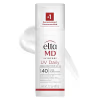


What is melasma?
“Melasma is actually a pretty complex skin condition and we find out more about it every year,” says Dr. Rachel Nazarian, a board-certified dermatologist with the Schweiger Dermatology Group in New York. It typically shows up in women and people with darker skin tones and is often triggered by pregnancy or hormonal birth control pills. Melasma often has a mask-like appearance, showing up in a freckle-like pattern of brown or grayish spots on the nose, cheeks and chin (though it can also appear on the forearms or neck), according to the American Academy of Dermatology.
Melasma occurs when melanocytes, the cells in the skin that create pigment, interact with an external trigger — most commonly hormones, heat, and light.
How I picked the best melasma treatments
I asked board-certified dermatologists for their recommendations for the best topical melasma treatments. They recommend focusing on treatment and prevention by looking for products that have the following ingredients:
- Iron oxide: The most important thing you can do to prevent melasma is to wear sunscreen with iron oxide, which blocks both UV and visible light rays. Those external light sources, whether it be UV light or light from a lamp or a computer screen, will trigger a reaction in the skin where there’s excess pigment that then develops, says Dr. Erum Ilyas, a board-certified dermatologist with the Schweiger Dermatology group in Pennsylvania. For the best protection, experts recommended choosing a tinted mineral sunscreen because in addition to the iron oxide, mineral formulas have zinc oxide, which also blocks visible light rays.
- Niacinamide: Niacinamide is a moisturizing ingredient loved by dermatologists for its ability to treat a variety of skin concerns, including redness and irritation. It’s also a powerful treatment for melasma since it inhibits the production of pigment in the skin and the transfer of melanin between cells, meaning it can reduce and help prevent dark spots, experts say.
- Retinol: Retinol is best known as a treatment for fine lines and wrinkles, but experts say it’s also great for preventing and clearing hyperpigmentation in the skin and evening complexion.
- Antioxidants: Free radical damage (which you can get from sun exposure) is a known cause of skin pigmentation disorders, including melasma. Antioxidants, like niacinamide and retinol (vitamin A), are the antidote. They work at the cellular level to protect your skin cells against the damage that can cause melasma. Vitamin C is another useful antioxidant for fighting melasma-related dark spots since it’s also a brightening agent, so it will treat existing hyperpigmentation and help prevent new dark spots from forming, experts say.
Related

The best products for melasma
Best sunscreens for melasma

Tinted sunscreen formulas, which have both broad-spectrum UV protection and physical light blockers, are crucial for preventing melasma, according to our experts. Nazarian recommends this SPF 45 for its lightweight formula. “Heat is a trigger for melasma, so I generally don’t like things that are super heavy,” says Nazarian. (Heavy formulas can trap heat in the skin, which stimulates the production of melanin, according to a 2023 study published in the National Library of Medicine.) It also has vitamin C, which helps brighten skin and block free radicals, which activate pigment producing cells, according to the brand.

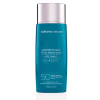
This lightweight tinted formula, which comes recommended by Dr. Carmen Castilla, a board-certified dermatologist at the New York Dermatology Group in Manhattan, has iron oxide in it, so it should help block harmful UV rays and the visible light rays that can trigger melasma. This includes UVA and UVB rays, blue light, infrared radiation and pollution, according to Colorescience. It comes in four adjustable shades, which means it dispenses white at first and matches your skin tone as you rub it into your skin. The sunscreen has SPF 50 and is water-resistant up to 40 minutes, according to the brand.

For a tinted sunscreen at a lower price point than other options on our list, Ilyas recommends this Neutrogena broad-spectrum SPF 30 because it’s particularly good for darker skin tones. “Most of the tinted sunscreens out there have only one tint that is [supposed to be] one-size-fits-all, which we know doesn’t work,” says Ilyas. This formula which comes in four hues, also has vitamin E to help prevent hyperpigmentation triggered by free radical damage. Plus, it doesn’t leave behind a white cast, according to the brand.
Best moisturizers for melasma

Supporting the health of your skin barrier is key to addressing any skin concern, including melasma. That’s why Castilla recommends this La Roche-Posay moisturizer, which is also an NBC Select staff favorite. It has ceramides, which function like mortar between skin cells to strengthen the skin barrier. This formula also has niacinamide, which can inhibit the production of pigment and block the transfer of melanin between cells so you have less proliferation of that pigmentation, says Ilyas.

Using this SPF moisturizer eliminates the need for two separate products because it can hydrate your skin while providing sufficient sun protection with an SPF rating of over 30, according to experts in our guide to the best face moisturizers with SPF. Reviewers say it’s lightweight, doesn’t clog up their pores and leaves no white cast.
Best serums for melasma

Serums are vehicles that deliver an active ingredient to your skin, says Ilyas. You can use them in the morning or at night, layer them under moisturizer or use them alone. When it comes to the best serums for melasma, my experts recommend looking for formulas that include active ingredients to target the hyperpigmentation. This serum has niacinamide and white shitake extract to help brighten dark spots and even your complexion, according to the brand.

Azelaic acid, which this product is formulated with, is a great over-the-counter (and pregnancy-safe) alternative to prescription hydroquinone, an old-school treatment for melasma. “[Azelaic acid] blocks the enzyme in the skin that triggers pigmentation,” says Ilyas. Look for a formula with 10% azelaic acid, she says, like this exfoliator from The Ordinary. You can use it as part of your morning or evening skincare routine, though you should not use it at the same time you use vitamin C, retinol or peptides to avoid irritation, according to the brand.

This serum comes recommended by experts in our guide to the best azelaic acid products because it evens out skin tone and improves hyperpigmentation (azelaic acid can specifically help brighten dark spots caused by melasma or acne). It’s also noncomedogenic and hypoallergenic, making it a great option for sensitive, acne-prone skin.

Castilla recommends this dark spot corrector for its trio of brightening ingredients: kojic acid, niacinamide and tranexamic acid. Not only does it improve dark spots and even out your skin tone, but it also helps minimize the recurrence of discoloration, according to the brand. For the best results, use three to five drops of this serum twice daily. In the morning, apply it after your vitamin C serum and before your moisturizer and sunscreen, according to Skinceuticals. If you’re pregnant, consult with your doctor before using this product.

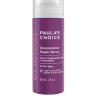
This repair serum, recommended by Nazarian, has brightening ingredients to treat existing melasma and block the formation of new pigmentation. Niacinamide and tranexamic acid work to brighten dark spots, while bakuchiol, a plant-based retinol alternative, helps even out skin tone, according to the brand. Again, make sure to clear this formula with your doctor if you are pregnant.

This pregnancy-safe option comes recommended by Nazarian since it brightens without the use of hydroquinone, another ingredient that you should avoid during pregnancy, she says. Instead, it has hexylresorcinol and kakadu plum extract (an ingredient with antioxidants such as vitamin C) which are both pregnancy-safe skin brighteners, according to the brand. You can use it day and night — just apply it to clean, dry skin and use it in combination with SPF for the best benefit, according to Skinbetter Science.

Topical’s Faded Serum works to gently reduce discoloration and dark spots on various skin tones. NBC Select editors tried this serum for two months and saw dark spots on their faces and bodies lighten and fade after consistent use. The serum uses a blend of brightening ingredients like tranexamic acid, which helps with melasma, according to the brand. Because of this ingredient, talk to your doctor before using it if you are pregnant, experts say.
Best retinol treatment for melasma

“Whenever you irritate melasma, it has the potential to get worse,” says Castilla. If you want to introduce a retinol to your skin care routine, go slow and look for a gentle formula to prevent your melasma from getting worse. Experts recommend Neutrogena’s retinols as some of the most gentle formulas on the market. Nazarian likes this option because it has vitamin C to target hyperpigmentation.

Another one of our favorite expert-recommended azelaic acid products, this Sesderma serum has other actives like retinol and vitamin C to reduce hyperpigmentation. It’s lightweight and suitable for all skin types, according to the brand.
Related

How to shop for melasma treatments
When shopping for over-the-counter melasma treatments, experts recommend looking for products with pregnancy-safe formulas, broad-spectrum SPF and active ingredients that target pigmentation. Below, we highlight the most important things to consider when shopping for a melasma treatment.
- Always opt for tinted or mineral sunscreens. Wearing SPF every day protects your skin from UV rays that cause sun damage and lead to skin cancer. For anyone with melasma — it’s especially crucial because both UV rays and visible light rays trigger the production of melanin, which can cause hyperpigmentation like melasma. When shopping for sunscreens, experts stress the importance of looking for tinted sunscreens since they typically have iron oxides, the ingredient that blocks visible light in addition to UV rays. Mineral sunscreens (formulated with zinc oxide) also block visible light. Tinted mineral sunscreens can also help eliminate the white cast that has traditionally plagued mineral sunscreens and is particularly frustrating for people with darker skin tones.
- Introduce new ingredients slowly. Irritation can exacerbate melasma, so if you’re introducing a new ingredient into your skin care routine such as retinol, look for a gentle formula and start slow. Begin by introducing the new product one or two days a week and increase your usage from there.
- Load up on antioxidants. The best melasma treatments target existing hyperpigmentation and block the formation of new dark spots. Antioxidants like vitamin C not only brighten skin, but also block the formation of an enzyme in the skin called tyrosinase, according to Ilyas, which triggers skin pigmentation. Other hyperpigmentation-fighting antioxidants commonly found in melasma treatments include niacinamide, vitamin E and kojic acid.
- Check if formulas are pregnancy-safe. Hormonal changes during pregnancy are believed to trigger the development of melasma (and can also make existing melasma worse), according to the American Academy of Dermatology. However, some of the most effective melasma treatments — namely those that contain hydroquinone and tranexamic acid — aren’t pregnancy safe. If you are pregnant or breastfeeding, be sure to clear your melasma treatment with your doctor.
Frequently asked questions
One way to prevent and treat melasma is to target melasma triggers. Another is to block an enzyme in the skin called tyrosinase. “This enzyme is actually what’s responsible for triggering pigmentation in the skin,” says Ilyas. “If we can block that enzyme from working, then maybe you could have less pigment as a result of it,” she says. Antioxidants, including vitamins C and E, niacinamide, and retinol do this well. “Retinol does so much for pigment. It not only blocks pigmentation in the skin, it can actually even out your complexion,” says Ilyas. “It’s very good at identifying what’s discolored and what’s normal and evening out the complexion,” she says.
Maintaining the health of your skin barrier by keeping your skin well hydrated and free of cracks and dry patches can also help reduce hyperpigmentation, according to Castilla.
Treatments for melasma can only truly be effective if you’re also working on melasma prevention, experts say. There is likely a genetic predisposition to melasma, but that doesn’t mean you’re doomed to a lifetime of hyperpigmentation from the moment you encounter a melasma trigger, says Castilla.
The single most important thing you can do to prevent melasma is wear sunscreen every day, says Castilla. “And it’s not just regular old sunscreen. You typically want to have a physical blocker like zinc oxide or titanium dioxide,” she says. Not only will you get better broad-spectrum UV protection, physical blockers also obstruct visible light.
Meet our experts
At Select, we work with experts who have specialized knowledge and authority based on relevant training and/or experience. We also take steps to ensure all expert advice and recommendations are made independently and without undisclosed financial conflicts of interest.
- Dr. Carmen Castilla, M.D., is a board-certified dermatologist at the New York Dermatology Group in Manhattan specializing in both medical and cosmetic dermatology.
- Dr. Rachel Nazarian, M.D., FAAD, is a board-certified dermatologist with the Schweiger Dermatology group in New York, whose research includes skin disease treatment.
- Dr. Erum Ilyas, M.D., FAAD, is a board-certified dermatologist with the Schweiger Dermatology group in Pennsylvania. Her expertise includes pediatric and medical dermatology and skin cancer treatment.
Why trust NBC Select?
I am an NBC Select contributor and former Glamour editor who has covered beauty and wellness treatments for over a decade. For this article, I spoke to three dermatologists about the best ways to prevent and treat melasma and highlighted their top skin care picks and the rationale behind them.
Catch up on NBC Select’s in-depth coverage of tech and tools, wellness and more, and follow us on Facebook, Instagram, Twitter and TikTok to stay up to date.


