

Dermatitis is one of the most common skin conditions out there, accounting for things like reactions to new laundry detergents and medically diagnosed cases of eczema. That’s because dermatitis represents any sort of inflammatory condition of the skin, says Dr. Melanie Palm, a board-certified dermatologist based in San Diego, Calif. This can come with telltale signs of inflammation, such as itchiness and redness.
The most common forms of dermatitis include atopic dermatitis (often called eczema), contact dermatitis (which includes allergic reactions), and seborrheic dermatitis. “The symptoms and appearance of the rash can vary based on the type of dermatitis,” says Dr. Claire Chang, a board-certified dermatologist in New York, NY. The good news is that many products can address all three forms of the condition, since they typically have ingredients that address inflammation systems.
 Best for body$undefined$21.99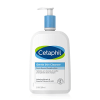



How I picked the best products for people with dermatitis
The right products can help protect the skin against signs of dermatitis, whatever the exact cause of the inflammation may be. Keep the following in mind:
- Moisturizer formulation: The texture and thickness of the product matters. Creams and lotions tend to sink in quickly, while thick, balm-like ointments remain on the surface of skin for extra protection, according to our dermatologists. Some experts recommend layering an occlusive ointment over a thinner moisturizer cream to maximize benefits.
- Beneficial ingredients: Moisturizing ingredients are especially helpful for dermatitis, since they can replenish a compromised skin barrier and help skin better retain hydration. Our experts recommend looking for occlusives in particular, which create a defensive barrier over skin.
- Potential irritants: Some common skincare ingredients, like fragrance, can exacerbate and actually trigger dermatitis in some people. And certain products, such as retinoids (a form of vitamin A popular for anti-aging), may also trigger it.
Related

Want more from NBC Select? Sign up for our newsletter, The Selection, and shop smarter.
The best products for people with dermatitis
Below, I compiled gentle, fragrance-free cleansers, face moisturizers, body creams and other skin care products that experts consider essential for people with dermatitis.
Best overall

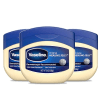
This classic ointment comes recommended by board-certified dermatologist Dr. Kiran Mian as a way to prevent transepidermal water loss and protect the skin while it’s healing. (Transepidermal water loss leads to dehydration, which can exacerbate fine lines and dullness.) Importantly, it’s also free of many potential irritants, which is why Dr. Ife Rodney, a board-certified dermatologist and dermatopathologist, recommends layering it over a separate body cream to further seal in moisture. “It’s free of the dyes and the fragrances and the allergens that trigger reactions on your skin,” she says.
Best for body

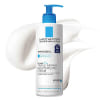
Rodney uses this body cream every day because it’s super moisturizing, but not too heavy or occlusive, she says. It has moisturizing ingredients like shea butter, ceramides, and niacinamide, as well as a prebiotic thermal water, which works to rebalance the skin’s microbiome, according to La Roche-Posay. Chang also recommends it to address seasonal eczema flares. “I love this moisturizer for daily use, especially in the wintertime, to prevent dry, chapped skin,” she says. You can use it on both the face and body, and it’s safe for infants who are at least two weeks old, according to the brand.
Best bar soap

A dermatologist recommended this cleansing bar to NBC Select editor Cory Fernandez when he was in his early 20s, and he’s used it to cleanse his face and body ever since. “I love that it’s easy to lather up and doesn’t have a super strong scent,” he says. “Plus, it leaves the skin on my face feeling clean, smooth and not irritated.” It’s free of fragrances, dyes and essential oils, and leaves skin soft and comfortable, according to the brand.
Best for eczema

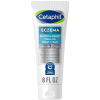
Eczema is a chronic condition that’s prone to flaring, meaning symptoms sometimes get more intense. This thick cream calms the skin when this happens, according to the brand. Palm likes that it has colloidal oatmeal in particular, which has emollient properties that can help soothe irritation and heal a compromised skin barrier, she says.
Best for dry, irritated skin

Ideal for spot-treating irritated areas (think the knuckles in winter, or diaper rash on a baby), this unscented cream has both glycerin and shea butter to soothe the skin. Chang, for her part, likes that it has a blend of hydrating ingredients, including centella asiatica, to help relieve dry, irritated skin, she says. You can also use it as a preventative measure to protect skin against chapping and dryness in cold weather, according to the brand.
Best for face

This face wash, which can also remove makeup, is highly rated on Amazon with a 4.7-star average rating from more than 13,500 reviews. Not only is it fragrance-free and noncomedogenic, meaning it won’t clog pores, its formula is also a blend of niacinamide, panthenol, and glycerin to help cleanse and hydrate skin according to the brand.
Best for scalp

While this is technically a shampoo, Fernandez — who has seborrheic dermatitis — uses this at the advice of his dermatologist. “My dermatologist was the first person to tell me to apply Head and Shoulders on both my hair and face,” he says. “Because the condition on my face is similar to that on the scalp, my dermatologist said I can use this to treat both. It does a great job at preventing dryness or irritation.” It uses 1% selenium sulfide and manuka honey to control flakes and moisturize, according to the brand.
Best long-lasting

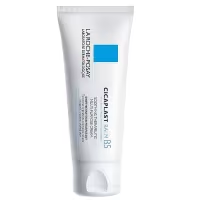
Chang likes that this balm has a combination of ceramides, hyaluronic acid and petrolatum that help make its results long-lasting. It doesn’t have any dyes, preservatives or fragrance, and is free of lanolin, a wool-derived ingredient that can cause an allergic reaction among some people. As with other ointments, it creates a protective barrier over the skin but doesn’t feel greasy, according to the brand.
Best for itchiness

Chang often recommends this cream to her patients since it has hydrocortisone to relieve itchiness, but also aloe and vitamin E in its formula to calm the skin and reduce inflammation, she says. It also has oat oil, which acts as a soothing conditioner for dry skin, according to the brand.
Best for very sensitive skin

Theraplex’s Eczema Therapy cream comes recommended by multiple experts because it combines petrolatum and colloidal oatmeal to soothe and moisturize irritated skin, according to the brand. It’s noncomedogenic, hypoallergenic and fragrance-free, making it a safe option for sensitive skin. It also helps protect your skin barrier and hydrates it all at once, according to the brand.
Related

How to shop for products for people with dermatitis
First, consider both your formulation and the ingredients, which are closely related. “A thick moisturizer, preferably an ointment, will correct dry, cracked skin and fortify the skin barrier, leaving the skin nourished and intact,” says Dr. Latanya Benjamin, a board-certified pediatric dermatologist based in Coral Springs, Fla.
Occlusive ingredients (meaning those that create a physical barrier over skin) often include petrolatum and shea butter, and they’re usually available as thick, rich ointments or balms. You can supplement these with other moisturizing ingredients such as ceramides and squalane, two lipids naturally found in the skin barrier that keep it smooth and healthy.
Additionally, consider ingredients that target the symptoms of the inflammation, such as itchiness. “Topical hydrocortisone is effective at reducing inflammation and alleviating itch that can come with dermatitis,” says Chang. Over-the-counter levels of hydrocortisone tend to be about 1%. It’s often paired with an ingredient called pramoxine, which is a helpful anti-itch ingredient found in several topical ointments, according to Palm.
You can also look for ingredients that are known to be anti-inflammatory, such as aloe vera, green tea, niacinamide and centella asiatica. If you can’t find all of the above in a single formula, you can combine two: “Generally speaking, for atopic dermatitis, some sort of topical anti-inflammatory cream should be used as well as moisturizing creams that restore the skin barrier,” says Palm. Rodney, for her part, likes to layer an occlusive ointment over a thinner moisturizer cream.
Finally, several dermatologists recommended that patients seek out sunscreens that use physical filters, such as zinc oxide and titanium dioxide. Chemical filters “can sting and irritate the skin if you have dermatitis,” says Palm.
What should people with dermatitis avoid?
As for what not to use, the list is long (and keep in mind that what may be an irritant for one person may not be an irritant for someone else). One of the most common offenders is fragrance. “Fragrances can contain chemicals that act as allergens or irritants to the skin, which can aggravate already inflamed skin,” says Chang. Plus, they can contain alcohol, which “is a solvent that strips the skin of its natural oils and compromises the skin barrier, which may lead to dryness, stinging and sensitivity,” she says.
You can also check with the National Eczema Association, a nonprofit advocacy group that has a Seal of Acceptance for products that meet its standards, which includes being fragrance-free, the absence of common irritants, and the use of only mineral, not chemical, sunscreen filters.
Frequently asked questions
There are three types of dermatitis, and discerning between them requires an expert. “It is important to get the specific type of skin condition diagnosed by a board-certified dermatologist,” says Palm, since the type or severity might require a prescription-level treatment.
- Contact dermatitis is dermatitis caused by an allergic reaction to a substance, which can include fragrances, certain cosmetic products, household products (like laundry detergents) and even plants. “The symptoms typically appear in the form of an itchy, irritated rash, swelling, bumps or blisters within minutes to hours of exposure to an allergen,” says Palm, who adds that they can last up to two weeks.
- Atopic dermatitis is a chronic skin condition that’s especially common in babies and young children, although some people have it for life and may be prone to flares (where the symptoms temporarily intensify.) “It is characterized by red, itchy patches and is worse with dry skin,” says Chang, who notes that it often affects the flexures — meaning the areas behind the knees and inside the elbows — as well as the hands and eyelids.
- Seborrheic dermatitis is a form of dermatitis “that affects oil gland-rich areas, including the scalp, face and chest,” says Chang. It’s usually associated with pink patches that have a greasy scale that flakes off; on the scalp, it’s called dandruff.
For starters, “when the skin is inflamed, no matter the cause, the key is to keep it clean and moisturized,” says Mian. “Inflamed skin can be more susceptible to infection.”
Start with your cleanser, which should be gentle — meaning it’s free of alkaline soaps and exfoliants, and formulated with hydrating ingredients. “These harsh soaps are known to change the ideal pH of the skin [which is acidic], further worsening the skin barrier that results in more skin irritation,” says Benjamin. Ideally, the product should be labeled with “pH-balanced.”
Then, consider your moisturizer. “Moisturizers with ceramides, glycerin or other humectants are great to use, as these will help strengthen and rebuild the skin barrier,” says Mian. She also recommends occlusive ointments, like petrolatum, since these “can help lock in moisture and protect the skin while it is healing,” she says.
When you’re experiencing a flare, consider most of your active ingredients in the rest of your skin care routine off-limits, including:
- Retinoids: These promote skin cell turnover and speed up skin’s natural exfoliation process, which can lead to dryness, flaking and increased skin sensitivity, says Chang.
- Benzoyl peroxide: This can strip skin of moisture and acts as a skin irritant in some patients, especially at higher concentrations, according to Chang.
- Hydroxy acids: While alpha hydroxy acid and beta hydroxy acids can be beneficial for skin, they may cause irritation, especially at high concentrations, she says.
When you’re experiencing a flare, consider most of your active ingredients in the rest of your skin care routine off-limits, including:
- Retinoids: These promote skin cell turnover and speed up skin’s natural exfoliation process, which can lead to dryness, flaking and increased skin sensitivity, says Chang.
- Benzoyl peroxide: This can strip skin of moisture and acts as a skin irritant in some patients, especially at higher concentrations, according to Chang.
- Hydroxy acids: While alpha hydroxy acid and beta hydroxy acids can be beneficial for skin, they may cause irritation, especially at high concentrations, she says.
It depends on the type of dermatitis. There’s no cure for atopic dermatitis, but it’s possible to ease a flare — although the time it takes can depend on the person, the cause and how severe it is. That said, once you start using a skin care product, “[the symptoms of] dermatitis can start improving within one to two weeks, but can take one to two months to fully resolve,” says Chang.
With contact dermatitis, it’s also important to identify and eliminate the trigger, if you’re able to, which can both help your existing rash go away and help prevent a new one. However, “if there is no improvement or symptoms worsen, it is important to consult your local board-certified dermatologist for more personalized evaluation and treatment,” says Chang.
Meet our experts
At NBC Select, we work with experts who have specialized knowledge and authority based on relevant training and/or experience. We also take steps to ensure all expert advice and recommendations are made independently and without undisclosed financial conflicts of interest.
- Dr. Melanie Palm is a board-certified dermatologist based in San Diego, CA. Her interests include laser technology and injectables.
- Dr. Claire Chang is a board-certified dermatologist in New York, NY who focuses on skin of color and Asian beauty trends.
- Dr. Kiran Mian, FAAD is a board-certified dermatologist based in New York, NY. She takes a holistic approach to medical skin conditions.
- Dr. Ife Rodney, FAAD, is a board-certified dermatologist in Coral Springs, FL. She focuses on both cosmetic, surgical and medical dermatology.
- Dr. Latanya Benjamin is a board-certified pediatric dermatologist based in Coral Springs, FL. She focuses in atopic dermatitis, acne and pediatric laser and surgery.
Why trust NBC Select?
I’m a freelance beauty writer and editor who has been covering beauty and health for more than a decade, including topics like curl types and ceramides. For this article, I spoke to five dermatologists to narrow down the best products for people with dermatitis to shop, and highlighted their recommendations about what to consider when shopping.
Catch up on Select’s in-depth coverage of personal finance, tech and tools, wellness and more, and follow us on Facebook, Instagram, Twitter and TikTok to stay up to date.

