

A professional whitening treatment at the dentist’s office is the fastest and most effective way to see results, but it’s costly and time consuming. If you’re leaning toward using over-the-counter teeth whitening products, there’s no shortage of options, like strips, gels, toothpastes and mouthwashes. But do they work? It depends on which one you use, how well you follow the directions and what your expectations are.
To help you choose an option that addresses your needs, I talked to dentists about the pros and cons of each type of OTC teeth whitening product, including when (and if) you’ll see a visible difference in tooth color. Using experts’ guidance, I rounded up the best options from brands like Crest, Sensodyne, Act and Colgate, many of which the NBC Select team tested.
 Best OTC whitening toothpaste$11.97$12.99
 Best OTC whitening mouthwash$5.99$6.59

Related

Want more from NBC Select? Sign up for our newsletter, The Selection, and shop smarter.
The best OTC teeth whitening products of 2026
All of the over-the-counter teeth whitening products below meet experts’ guidance (learn more about how experts recommend shopping for them here). I included options with the American Dental Association’s Seal of Acceptance, those NBC Select staff members have tested, NBC Select Wellness Award-winners and other highly rated treatments.
Best OTC teeth whitening strips and trays

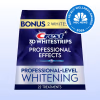
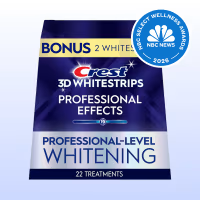
No matter how many times our team tests teeth whitening strips, Crest’s come out on top for two reasons: they work and they’re easy to use. The strips are coated in hydrogen peroxide gel and have a non-slip grip, which helps them stay put during treatments — I can have full conversations while wearing them and they don’t budge, plus they’re so thin that I barely feel them. The Whitestrips are flexible, so I can bend them around the curve of my teeth, but they’re sturdy enough that they don’t roll in on themselves when I take them off the packaging. This box comes with enough strips for 20 45-minute treatments and two 1-hour express treatments.

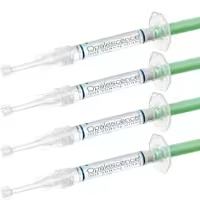
Former NBC Select senior editor Lindsay Schneider finds Opalescence’s whitening trays easier to apply than whitening strips — you bite into them and they mold around the shape of your teeth. “They’re so easy to pop on and off, and I find them comfortable to wear for longer periods of time,” says Schneider. Her dentist recommended these trays, which you leave on for about 30 minutes, because they’re made with a professional-grade, 10% hydrogen peroxide, minty gel. “I definitely see a difference when using these consistently — my teeth are noticeably whiter,” says Schneider. “Because they’re stronger, my teeth get a little sensitive when using them, but that’s the case with almost all whitening products for me.”

Opalescence’s whitening gel, which you add to custom trays a dentist makes, is professional-grade like its trays. Its main active ingredient is carbamide peroxide, and there’s also hydrogen peroxide in its formula. The gel is available in four concentrations, 10%, 15%, 20% and 35%, each of which has a different treatment time ranging from 30 minutes to overnight. It comes in syringes with a narrow nozzle, helping you fill your trays without causing them to overflow. The gel is available in mint and melon flavors, as well as an unflavored option.
Best OTC teeth whitening toothpaste
All of the whitening toothpastes below have fluoride in their formulas to protect teeth from cavities and repair enamel.

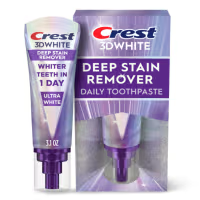
Every member of our team who tested this toothpaste had the same review: it’s shockingly effective. “My coffee-stained teeth started visibly whitening in just days, so much so that my dentist thought I’d gotten a professional treatment,” says NBC Select editorial director Lauren Swanson. The minty toothpaste is made with hydrated silica, which dissolves the bonds that adhere stains to teeth and scrubs them off the surface, according to the brand. The toothpaste comes in a pump dispenser, which prevents you from using too much at a time.

In addition to teeth whitening trays and gel, Opalescence makes whitening toothpaste, which is a top pick among our staff members. There’s silica in its formula to gently remove surface stains, and after using it for a few weeks, NBC Select editorial operations associate Jem Alabi says her teeth are visibly brighter. The toothpaste also doesn’t feel harsh on or irritate her teeth, which wasn’t the case with other options she’s tried. It has a gel texture and a cool mint flavor.

Sensodyne makes some of our favorite toothpastes for sensitive teeth, and this option offers additional whitening benefits. Its formula has hydrated silica to buff stains away, plus it’s made with stannous fluoride, which relieves sensitivity while fighting cavities, according to the brand. “I’ve always had really sensitive teeth, especially to cold, and I’m always nervous to do whitening treatments,” says NBC senior community manager Rosalie Sparaco. “Having a toothpaste that can help my teeth feel less sensitive to cold drinks while whitening is a win-win.” The toothpaste gets very foamy as you brush, and it has a cool peppermint and spearmint flavor.

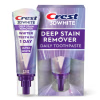
After using this whitening toothpaste, your mouth gets anti-bacterial protection for up to 24 hours, according to the brand. The hydrated silica in its formula fades surface stains and yellowing, and consistent use can also help with issues like plaque and tartar buildup, according to the brand. The toothpaste has a refreshing mint flavor and it doesn’t get very foamy while you’re using it, in my experience.
Best OTC whitening mouthwash

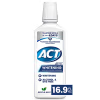
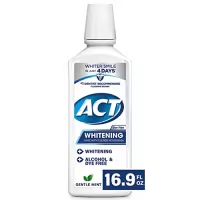
ACT’s Whitening + Anticavity mouthwash uses hydrogen peroxide to brighten your teeth and fluoride to prevent cavities. It’s free-from alcohol and dyes, according to the brand, and has a mint flavor to freshen breath.
Best OTC teeth whitening pen

Colgate’s whitening pen is filled with hydrogen peroxide gel, and its overall construction resembles lipstick. You unscrew the attached brush, dip it into the gel and apply it on your teeth. The brush is very small, so you can coat one tooth at a time and make sure you don’t miss a spot. The brand recommends applying the quick-dry gel before bed, leaving it on your teeth overnight and brushing it off in the morning.
Related

How to shop for OTC teeth whitening products
What are the different types of OTC teeth whitening products?
There’s seven main types of over-the-counter teeth whitening products to know about, all of which I explain below. To decide which one is right for you, think about what fits into your lifestyle — these products only work if you use them consistently.
- Whitening strips: These are essentially stickers for your upper and lower teeth that are coated with a thin layer of an active bleaching ingredient, like hydrogen peroxide. As the strips sit on your teeth, the ingredients penetrate enamel to brighten it.
- Whitening trays: These work similarly to strips, but you bite into them rather than adhere them to the front of teeth. Most trays come prefilled with whitening gel formulated with active bleaching ingredients — if not, you’ll need to fill them with gel before a treatment.
- Whitening gel with custom trays: Over-the-counter whitening trays are one size fits all, which not everyone finds comfortable or effective. Instead, your dentist can make you custom trays that fit the exact shape of your mouth, and you can buy whitening gel made with active bleaching ingredients to fill them with. “Using custom whitening trays made by your dentist can isolate where the whitening material goes,” says Dr. Erin Fraundorf, the founder and orthodontist at Boca Orthodontic and Whitening Studio. “You can better control it to prevent it from touching your gum tissue.
- Whitening toothpaste: Whitening toothpaste mainly relies on abrasives rather than active bleaching ingredients to remove surface stains from teeth, according to the ADA. All toothpaste is mildly abrasive to scrub teeth clean, but whitening toothpaste has abrasives that specifically target surface stains, like sodium bicarbonate (baking soda).
- Whitening mouthwash: Whitening mouthwash has active bleaching ingredients in its formula that break down stains on your teeth as you swish the liquid around in your mouth.
- Whitening pens: These help you brighten teeth quickly and while on the go. They’re filled with a gel made from active bleaching ingredients, which you brush on your teeth and leave on for a specified period of time.
- LED light kits: Some whitening strips and trays come with an LED light, which many brands advertise as being able to enhance or accelerate the whitening process. However, the dentists I talked to don’t recommend using them, so I didn’t add any to the list above. “Not all LED lights are created equal, and the ones included in at-home whitening kits are significantly weaker than those used in professional treatments,” says Fraundorf. “Whether or not you use an LED light with your at-home whitening kit, your results will be the same.”
Which OTC teeth whitening products are the most effective?
Over-the-counter teeth whitening strips, trays and gels for custom trays are typically the most effective because they’re made with high concentrations of active ingredients, according to the experts I talked to. The more concentrated a product’s active whitening ingredients are, the stronger it is. Whitening toothpaste, mouthwash and pens tend to have low concentrations of active ingredients, so their impact is minimal, says Dr. Matt Messina, an assistant professor at The Ohio State University College of Dentistry. He recommends using them as a maintenance tool after a stronger treatment, and says their ideal for beginners. If you’ve never whitened your teeth before or have a history of tooth sensitivity, start with products that have a low concentration of active ingredients and gradually increase if you can tolerate it.
What are the most common active ingredients in OTC teeth whitening products?
Hydrogen and carbamide peroxide are the two most common whitening agents in dental care products, over-the-counter or professional, according to the ADA. The active ingredients penetrate tooth enamel and break down discoloration without softening or thinning teeth, experts say.
Can OTC teeth whitening products earn the ADA Seal of Acceptance?
Yes, over-the-counter teeth whitening products can earn the ADA Seal of Acceptance. The ADA Seal of Acceptance is the gold standard for dental care products. Brands can voluntarily submit data for the ADA to review, and if the organization deems the product safe and effective according to specific criteria, it earns the seal. This doesn’t mean that whitening products without the seal are ineffective — it just means brands haven’t submitted their products for the ADA to review.
Frequently asked questions
There’s two types of teeth whitening: mechanical and chemical.
- Mechanical whitening removes surface stains on the exterior of teeth by physically scrubbing them off, says Fraundorf. Brushing your teeth with an electric toothbrush, using a semi-abrasive whitening toothpaste or blasting stains away with a water flosser are all examples of mechanical teeth whitening.
- Chemical whitening removes interior tooth stains by bleaching them with active ingredients like hydrogen and carbamide peroxide. These ingredients penetrate enamel, seep into interior tooth tissues and lighten tooth color from the inside out via a chemical reaction, according to the ADA. The more concentrated a whitener’s active ingredients are, the more powerful and effective it will be. But with higher concentrations of active ingredients comes concerns like tooth sensitivity and gum irritation. Teeth whitening strips and professional whitening treatments at dental offices are examples of chemical teeth whitening.
Yes, you can effectively whiten your teeth at home, but manage your expectations. Over-the-counter teeth whitening products mainly correct surface-level tooth discoloration, not deep internal discoloration. And they won’t do anything if you don’t use them consistently and correctly. “Most people are not compliant at home and therefore do not get the results they are looking for,” says Dr. Ilona Casellini, the founder of and a dentist at Swiss Quality Smile. “In-office bleaching is more effective because you get instant gratification. In one session, patients usually get one to two shades lighter and all they have to do is relax while the dentist does the work.”
In-office whitening treatments are also more powerful than over-the-counter treatments because dentists use more concentrated active ingredients that work quickly. It may take days to weeks to see visible results from less concentrated over-the-counter teeth whitening products, and you won’t notice much of an improvement if you have discoloration from oral issues like cavities and tooth decay, which may make teeth turn a dark gray color, says Messina. The same goes for other problems like plaque build-up and gum irritation.
Overall, it is safe to whiten your teeth at home. However, it’s important to talk to your dentist before starting an over-the-counter treatment, especially if you’ve experienced tooth or gum sensitivity in the past. If you can’t handle highly concentrated whitening agents, your dentist can help you find a product that works best.
While whitening your teeth at home, pay attention to how you feel, especially if you’re trying something new. If you notice sensitivity on your teeth or gums at any point, stop using the whitening product immediately and contact your dentist.
The best way to ensure that you’re whitening your teeth safely is to follow the product’s directions exactly. “If it says 30 minutes, an hour isn’t better,” says Messina. “It may instead dramatically increase your tooth sensitivity, making it hard to handle cold things like ice cream or even water.”
Any dental care product you use excessively and incorrectly can damage teeth, including whiteners. “Even though at-home bleaching products usually have a lower concentration of peroxide, if used excessively, it can cause your teeth to become dehydrated and brittle, not to mention overly sensitive,” says Casellini. To prevent damage, follow a product’s directions exactly and limit how often you use it. Also, be sure you follow a standard oral care routine that involves proper tooth brushing with fluoride toothpaste, flossing and mouthwash.
No, natural and DIY teeth whiteners don't work, experts told me. They have not been studied as extensively as professional treatments or over-the-counter options, and can have negative side effects like reducing teeth hardness or increasing sensitivity, according to the ADA. A common example is using charcoal toothpaste — the abrasiveness of the ingredients can remove the enamel from your teeth overtime, which Messina compares to sanding a floor. Other common DIY teeth whitening treatments include making pastes out of acidic fruits, vinegar and baking soda, as well as oil pulling, which involves swishing coconut oil in the mouth — these practices are not well-researched and are recommended against by the ADA and dentists I talked to.
Teeth whitening is not for everyone. People who are unhappy with the color of their teeth, or want to match their natural teeth to a crown or bridge, are the best candidates for whitening, says Casellini. On the other hand, people who have prosthetics, like crowns, bridges or veneers, that match the color of and are located very close to their natural teeth should not whiten them. Doing so can result in mismatched tooth colors since the natural teeth will get lighter and the prosthetics will stay the same, she says.
Additionally, if you have a history of dental issues like gum recession, chips or cracks, untreated cavities and severe sensitivity, you should not use over-the-counter teeth whitening products, says Fraundorf. Consult your dentist, who may be able to tailor an in-office treatment to your needs.
There’s numerous reasons why your teeth may develop interior and exterior stains over time. For example, interior stains usually result from aging and genetic disorders, which you can’t prevent, while exterior surface stains are associated with tobacco use and consuming pigmented foods, which you can prevent to some degree, says Casellini.
Fraundorf broke down some of the most common causes of tooth stains and discoloration below. To determine the exact cause of yours, consult your dentist.
- Poor oral hygiene: Your teeth are more likely to stain and yellow if you don’t brush twice daily for two minutes, floss at least once daily, use a fluoride toothpaste and visit your dentist every six months for a cleaning.
- Diet: “If it can stain a white T-shirt, it can stain your teeth,” says Fraundorf. Foods and beverages like coffee, tea, red wine, sodas, sports drinks, tomatoes, curry and berries have pigments in them that cling to tooth enamel and leave surface stains.
- Genetics: Teeth have a genetic component that you inherit from your family, so you may be naturally more prone to less white teeth.
- Thin or worn enamel: The layer underneath tooth enamel is dentin, which is a yellow-brownish color. If you have thin or translucent enamel, your dentin may be more visible. Enamel wears away over time due to aging, grinding, chewing and consuming acidic foods and drinks.
- Smoking: Nicotine from smoking cigarettes leaves heavy yellow and brown surface stains on teeth.
- Medication use and tooth trauma: Those who use certain medications or experience tooth trauma may be more susceptible to tooth discoloration.
The easiest ways to prevent your teeth from yellowing and developing stains are to practice proper oral hygiene and limit your consumption of highly pigmented foods and drinks. If you’re drinking a dark beverage like coffee or tea, use a straw to minimize contact with your teeth and swish with plain water after drinking, says Fraundorf. Also, try to pick flat water over sparkling since it’s less acidic. Dentists recommend avoiding smoking and other tobacco products, too.
Meet our experts
At NBC Select, we work with experts who have specialized knowledge and authority based on relevant training and/or experience. We also ensure that all expert advice and recommendations are made independently and with no undisclosed financial conflicts of interest.
- Dr. Matt Messina is an assistant professor at The Ohio State University College of Dentistry and the clinic director of Ohio State’s Upper Arlington Dentistry.
- Dr. Ilona Casellini is the founder of and a dentist at Swiss Quality Smile.
- Dr. Erin Fraundorf is the founder and orthodontist at Boca Orthodontic and Whitening Studio.
Why trust NBC Select?
I’m a reporter at NBC Select who has written about dental care for over five years, including stories on electric toothbrushes, toothpaste, whitening toothpaste, kid’s toothpaste, floss and water flossers. For this article, I interviewed three experts about how to shop for over-the-counter teeth whitening treatments and I rounded up options that align with dentists’ guidance, including products the NBC Select staff tested. I also constantly test oral care products to share my first-hand experience using them and stay up-to-date about innovations in the industry.
Catch up on NBC Select’s in-depth coverage of tech and tools, wellness and more, and follow us on Facebook, Instagram, Twitter and TikTok to stay up to date.


