

Applying sunscreen is a crucial step in your skin care routine, whether it’s a spray, serum, lotion or stick. Without it, you risk damaging your skin from exposure to UV rays, experts say. If you’re looking for a quick, mess-free and convenient option, sunscreen sticks are the way to go.
To help you find the best sunscreen stick for you, I spoke to seven dermatologists about how to shop for one and everything you need to know, including how much you need to apply for it to actually be effective.
 Best for active lifestyles$undefined$39.00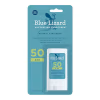


Related

Want more from NBC Select? Sign up for our newsletter, The Selection, and shop smarter.
The best sunscreen sticks in 2026
Best overall

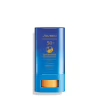
This stick sunscreen comes recommended by Yang and board-certified dermatologist Dr. Morgan Rabach because it’s easy to apply and glides over makeup. It’s also very lightweight and hydrating without leaving behind a residue, says Yang. Aside from its active ingredients to protect your skin from unwanted damage, it combines negative ions and positive ions (from sweat and water) to create an additional layer of protection to make it more effective. At the same time, external heat strengthens your skin barrier, according to the brand.
Best for sensitive skin

This sunscreen is a favorite of board-certified dermatologist Dr. Marnie Nussbaum for those with sensitive skin. It’s also a great option for multiple skin tones since it has microfine zinc oxide, which means it’ll dry clear and won’t leave a white cast, according to the brand. Reviewers say the sunscreen is easy to blend into the skin.
Best for dry skin

This sunscreen has hyaluronic acid, aloe and coconut water, which make it especially great for those with dry skin, says Yang. The non-greasy and fast-absorbing sunscreen also has antioxidants for added protection from environmental stressors, she says. (Those skin-damaging stressors include blue light, infrared and pollution.)
Best budget

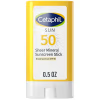
If you have dry or sensitive skin, consider this mineral option from Cetaphil, which board-certified dermatologist Dr. Ellen Marmur recommends due to its hypoallergenic ingredients, including zinc oxide, beeswax and vitamin E. However, it can produce a white cast on the skin, she says. To help offset this, you can use your fingertips to work the product in since it blends quickly.
Best for oily skin

This Dr. Jart+ option is one of our favorite Korean sunscreens because it hydrates skin and blurs pores, which makes it great to apply underneath makeup. I love using this sunscreen because it doesn’t leave a white cast on my medium-tan complexion and, since it’s a stick, it’s easy to apply and reapply throughout the day. It’s also travel-friendly.
Best splurge

According to Dr. Deanne Mraz, a board-certified dermatologist, this sheer stick is easy to apply and feels weightless on skin. When you first apply it, it has a silky smooth texture but then leaves your skin with a matte finish. You can apply it on your face, neck and chest as a base layer, but it’s especially good for tricky spots like your ears.
Best mineral

If you’re looking for a sunscreen stick that will make applying your sunscreen much faster, consider this Neutrogena option recommended by Nussbaum. The stick itself is bigger, which means it’s easier to apply on larger areas of your face and body, she says. Reviewers say it holds up well throughout the day on both their bodies and faces.
Best for active lifestyles

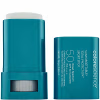
This is a great water-resistant stick for swimming, sweating and active days outdoors all summer long, says Mraz. The stick provides all-mineral protection from UVA/UVB rays, pollution, blue light and infrared radiation, plus it has hydrating ingredients that softens skin, says Mraz. It goes on smoothly and is easy to blend without leaving behind a white cast, according to the brand.
Best matte finish

This lightweight sunscreen is quick and easy to apply since its ergonomic curved shape helps cover hard-to-reach and difficult areas. It’s also great for those who want a hydrating sunscreen that leaves a matte finish. It sits nicely under and over makeup and does not leave a white cast or sticky residue, says board-certified dermatologist Dr. Connie Yang.
Best for all skin tones

This is great for those worried about their sunscreen leaving a white cast because it is very sheer while still protecting you from the sun, says Nussbaum. It’s also a good choice to take with you throughout the day because it glides seamlessly over makeup, provides invisible coverage and reduces the appearance of oil and shine, says Mraz.
Best for body

This Neutrogena sunscreen is Rabach’s favorite to use. Reviewers say it’s especially great for travel since it’s safe for the whole body. This makes it easy when packing since you don’t need to bring multiple sunscreens with you. Its wide face covers a lot of surface area in one pass and glides smoothly on your face and body, according to the brand.
Best dewy finish

This non-sticky, non-greasy, coconut milk-scented sunscreen is suitable for your face and body. It has an ingredient called mica, which is a silicate mineral that gives skin a glossy, dewy finish, according to Marmur. For the best results, swipe the sunscreen on your hand before applying it to your face and body, which will help distribute the mica evenly when you apply it.
Editor’s pick

“I hate getting sunscreen all over my hands because it makes them greasy, but this sunscreen stick solves that problem,” says NBC reporter Zoe Malin. “It glides onto my skin smoothly and doesn’t leave a white cast behind, so it’s great for wearing under makeup.” The brand also has five other variations, including tinted options.
Best for kids

This sunscreen is great for children because it’s gentle and safe for all skin types. Its packaging is also a great way to have kids learn about the importance of protecting your skin from UV rays since the cap turns pink in harmful UV light, according to experts in our guide to the best sunscreens for kids.
Best tinted

If you want some coverage with your sunscreen, consider this one from MDSolarSciences. The mineral formula has SPF 40 and a matte finish. Because it’s sheer, it works for several skin tones, though may not be best for those with darker skin tones.
How I picked the best sunscreen sticks
I spoke to board-certified dermatologists about sunscreen sticks and what factors to consider when shopping. Here’s what they recommend looking for:
- Type of sunscreen: There are two types of sunscreen: mineral and chemical. Mineral sunscreen has filters like zinc oxide and titanium oxide that sit on top of your skin and reflect UV rays away from your skin. In contrast, chemical sunscreen has ingredients that absorb into your skin to provide protection, says Marmur.
- SPF rating: Stick sunscreens should be SPF 30 or higher, according to the American Academy of Dermatology. “It can be hard to tell exactly how much product you’re applying when using a stick sunscreen, and many people do not apply enough, so a higher SPF will help give you better coverage and protection,” says Yang. SPF 30 blocks 97% of the sun’s rays when you apply it to your skin, says Marmur. The higher the SPF, the more the product blocks the sun’s rays. However, no sunscreen will block 100% of the sun’s rays, according to Marmur.
- Broad-spectrum protection: You want to look for broad-spectrum coverage, regardless of the sunscreen formulation. Broad-spectrum coverage protects against UVA and UVB rays, which protects against fine lines and wrinkles, hyperpigmentation, sunburns and skin cancer, says Yang.
How to shop for sunscreen sticks
Aside from the type of sunscreen, minimum SPF and broad-spectrum protection, there are a few other characteristics to note. Below are certain factors to consider when shopping for a sunscreen stick, including ingredients, skin type and aesthetics.
Skin type
When shopping for a sunscreen stick, consider your skin type, which will determine the ingredients and formula you need. Below, board-certified dermatologist Dr. Annabelle Garcia breaks down a few things to factor in:
- Dry skin: Look for a moisturizing formula with ingredients like hyaluronic acid.
- Oily skin: Choose an oil-free, noncomedogenic formula to avoid clogging pores.
- Sensitive skin: Opt for a mineral sunscreen with zinc oxide or titanium dioxide. Since mineral sunscreens act as a shield on top of the skin, they’re less likely to cause skin reactions, experts say.
Ingredients
Aside from paying attention to the active ingredient(s) listed, it’s important to look at the additional ingredients because there are some you want for skin care benefits and others you want to avoid to prevent irritation.
- If you want to hydrate your skin, consider ingredients like hyaluronic acid and aloe vera, according to Garcia.
- For those with hyperpigmentation, look for a tinted sunscreen that has iron oxides for added protection against visible light, says Yang
- If you have sensitive skin or just want a soothing sunscreen stick, look for ingredients like niacinamide (which helps retain water, improve skin tone and texture, and reduce inflammation and redness), according to Yang. Also, consider one that has calamine, says Garcia.
- For those concerned about fine lines and wrinkles, look for added antioxidants like vitamin E and vitamin C. Antioxidants will help protect your skin from free radical oxidative damage, says Yang.
There are a few irritating ingredients you should avoid; some common triggers include oxybenzone, added fragrances and alcohol.
Aesthetics
Consider how you want to look after applying your sunscreen. This is important to pay attention to because some options will leave your skin looking dewy and glowing, while others will have a matte finish, according to Mraz.
Water-resistance
While water resistance in sunscreen isn’t a make-or-break factor, you definitely want to consider one that does have this if you plan on getting wet or anticipate sweating, according to Nussbaum.
“For day-to-day purposes, it’s not necessary. However, water resistance does tend to help sunscreen last longer, especially if you are in a humid climate or engaging in activities that cause you to sweat,” says Yang.
Although water-resistant sunscreens tend to last longer than those without, Rabach says it’s important to remember to reapply continuously throughout the day.
Frequently asked questions
Yes. If you use stick sunscreen properly — apply it all over the surface and use enough — this is an effective product to protect your skin against potential damage from UVA and UVB light, according to our experts.
Stick sunscreens are great for children and those on the go because they are easy to apply and reapply, are mess-free and are usually travel-friendly, experts say. They also offer a more targeted application to smaller surface areas like the face, says Yang.
Since it’s in stick form, it tends to have a more waxy consistency and is less likely to run or spill (compared to liquid sunscreens), which is another reason it’s great for your face and, more specifically, the eye area, according to Yang. However, because of its waxy texture, it could feel thicker on the skin, says Nussbaum.
In addition to how it feels, there’s also a difference in one potential error — how much you use. Compared to spray sunscreens, stick application can be easier since spray options are the most difficult to quantify coverage since there is a loss of aerosolized product during application, according to board-certified dermatologist Dr. Jordan Carqueville. However, compared to lotion sunscreens, which are easy to apply and determine the amount of product, stick sunscreens can run a higher risk of missing a spot while applying, according to Carqueville and Nussbaum.
“I don’t typically recommend sunscreen sticks as the primary form of SPF. Not because they are ineffective, but because most people simply don’t apply enough,” says Yang. “I recommend using a sunscreen lotion or liquid as a base layer and using stick sunscreen as a form of re-application.”
When using a sunscreen stick, you should apply at least four passes to ensure sufficient protection, says Yang. R
Meet our experts
At NBC Select, we work with experts with specialized knowledge and authority based on relevant training and/or experience. We also ensure all expert advice and recommendations are made independently and without undisclosed financial conflicts of interest.
- Dr. Connie Yang is a board-certified dermatologist at PFRANKMD by Dr. Paul Jarrod Frank in New York City.
- Dr. Marnie Nussbaum is a board-certified dermatologist at her private practice in New York City and a clinical dermatology instructor at Weill Cornell Medical College.
- Dr. Morgan Rabach is a board-certified dermatologist at LM Medical in New York City and a clinical assistant dermatology professor at The Icahn School of Medicine at Mount Sinai Hospital.
- Dr. Ellen Marmur is a board-certified dermatologist at Marmur Medical in New York City and is the founder of MMSkincare.
- Dr. Annabelle Garcia is a board-certified dermatologist at Sonterra Dermatology in San Antonio, Texas.
- Dr. Deanne Mraz is a board-certified dermatologist at Modern Dermatology in Westport, Connecticut, where she is also the president and co-founder. She is also a clinical assistant professor of dermatology at Yale New Haven Hospital.
- Dr. Jordan Carqueville is a board-certified dermatologist, dermatopathologist and dermatologic surgeon at Derm Institute of Chicago.
Why trust NBC Select?
Bianca Alvarez is a former associate reporter for NBC Select. For this story, she interviewed seven dermatologists, shared their recommendations, and researched highly rated sunscreen sticks that met their guidance.
Catch up on NBC Select’s in-depth coverage of tech and tools, wellness and more, and follow us on Facebook, Instagram, Twitter and TikTok to stay up to date.


