

Every time I experience boob sweat, I think one thing: There has to be a way to prevent this. That damp, gross feeling lingers for the rest of the day, and it’s even more miserable when it leads to painful rashes. Unfortunately, the experts I talked to say you can’t completely prevent boob sweat — it’s almost inevitable when heat and moisture get trapped under the breasts, and it’s especially common during hormonal changes like those that happen during menstruation, perimenopause, menopause and pregnancy. But there are ways to reduce boob sweat and avoid related skin irritation to keep you more comfortable.
Below, I talked to board-certified nurse practitioners about the most effective boob solutions, and how to treat sweat rashes under the breasts if you get them.
 Best sweat/odor-control cream$undefined$36.99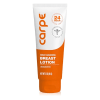


Related

Want more from NBC Selected? Sign up for our newsletter, The Selection, and shop smarter.
What causes boob sweat?
Boob sweat is caused by heat and moisture getting trapped in the skin fold between each breast and the chest, a.k.a. the underboob area. It’s a warm, closed-off part of the body where heat and moisture can’t evaporate, so sweat easily builds up, says Madeline June, a board-certified nurse practitioner at The Well Westlake. Boob sweat can lead to uncomfortable rashes from chafing (irritation that happens when skin rubs on skin or clothing), or yeast and fungal overgrowth.
Experts told me that several factors exacerbate boob sweat, including high temperatures and humidity levels; hormonal changes, like those that happen during menstruation, pregnancy, perimenopause and menopause; and tight-fitting bras and clothes made from non-breathable fabric.
Can you prevent boob sweat?
No, you can’t completely prevent boob sweat, just like how you can’t completely prevent sweat on any part of your body. “It’s a common issue, not a hygiene failure, and most people experience it at some point,” says Courtney Coons, a board-certified nurse practitioner at PERK Plastic Surgery.
That said, you can use certain products and practice habits that help reduce boob sweat and prevent related skin irritation.
The best boob sweat solutions of 2026
Below are a handful of products that align with the types experts say can help reduce boob sweat and/or prevent related skin irritation. The NBC Selected team tested a handful of them, and others are highly rated, meaning they have at least a 4.0-star average rating from hundreds of customers. There’s no “one size fits all” when it comes to boob sweat solutions — deciding what works for you is a personal decision and might take some trial and error.
Best bra liners

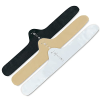
Fabric bra liners sit under the garment’s band and extend up between the breasts to absorb sweat before it pools on the skin’s surface, says June. In addition to reducing moisture, they also help prevent friction and irritation, which can lead to sweat-related rashes. June recommends choosing a bra liner that’s made from a soft, breathable, moisture-wicking material. Also, make sure you change it when it gets damp — if you don’t, it defeats the purpose.
These machine-washable bra liners have all of the qualities June suggests looking for. They’re made from a viscose and cotton material and have curved edges, inward-facing seams and no tags to reduce rubbing. They come in five different lengths, letting you pick the one that best fits your body.
Best sweat- and odor-control cream

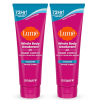
Certain creams are formulated to absorb moisture and reduce friction in areas prone to irritation, like under the bra band and straps, as well as between the breasts, says Coons. This one from Lumē is also a whole body deodorant, so it controls odors for up to 72 hours, according to the brand. It’s made with aluminum salts and mandelic acid, and it’s invisible once you rub it into skin — Lumē recommends starting with a pea-sized amount. It comes in an unscented option, which is best for sensitive skin, and various scents, including lavender sage, soft powder and clean tangerine.
Best sweat-control cream

Carpe’s lotion uses a blend of powders, including silica, to absorb sweat, and ingredients like witch hazel, vitamin B3, aloe, apple extract and rosemary to soothe and soften skin, according to the brand. It also helps prevent chafing. The lightweight lotion has a clear finish once you rub it in, and it dries quickly after application — Carpe recommends letting it air-dry completely before putting on clothing.
Best sweat-control powder

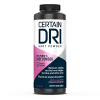
Moisture-absorbing powder helps soak up boob sweat so you feel dry and comfortable under clothes, says June. This one from Certain Dri also protects against odors, and it prevents rubbing to reduce chafing, according to the brand. It’s made with soothing ingredients like calamine to soften skin, too. You apply the powder before you get dressed by shaking it directly on skin and rubbing it in, or using a puff to pat it in place.
Best body wipes

If your bra gets sweaty, change out of it as quickly as possible and cleanse your skin, says June. When damp fabric rubs against hot skin, it’s almost guaranteed to cause chafing, and the longer sweat sits on skin, the more likely it is to cause fungal and yeast rashes, as well as breakouts.
If I can’t immediately shower after swapping a sweaty bra for a dry one, I refresh and dry off my skin with Yuni Beauty’s single-use body wipes. I also use them to clean off the area under my bra’s band if it gets damp but I don’t have a dry garment to change into. The biodegradable, soft, pre-moistened wipes come individually packed, so I throw a couple in my bag to have at all times. They’re larger than a typical baby wipe to cover more surface area, and they’re deodorizing and have a cooling effect. The wipes are made with alcohol-free, soothing ingredients like aloe vera leaf juice and plant extracts (cucumber, green tea and apple), as well as rose fragrance to give them a light floral scent.
Best cooling bra


When it comes to boob sweat, “a well-fitted, breathable bra makes a real difference since anything too tight traps heat against the skin all day,” says Coons. She recommends looking for one that’s non-constricting and made from moisture-wicking, breathable fabrics that reduce the chance of chafing.
With Coon’s guidance in mind, Thirdlove’s TempSync T-Shirt Bra is my top pick because it’s specifically designed to be cooling. Its thermoregulating fabric and perforated cups prevent it from holding onto heat, and it dries very quickly if I sweat while wearing it. Plus, it’s highly supportive across sizes — I’m always impressed by how it holds up and shapes my chest. The bra has a flexible underwire, as well as adjustable and convertible straps and an adjustable back closure. It comes in band sizes 32 to 42 and cup sizes A to H, including half sizes.
Related

How I picked the best boob sweat solutions
To pick the best boob sweat solutions, I talked to two board-certified nurse practitioners about products that absorb and reduce moisture on skin, and/or help prevent related skin irritation from occurring. I then curated a list of recommendations based on experts’ insights, my personal experience with this issue and items I’ve tested. You can use all of the products I recommend with standard everyday bras and sports bras.
Frequently asked questions
Some people are more prone to boob sweat than others, says June, including:
- Those with larger breasts, which cause more skin-to-skin contact between the breasts and the chest, increasing how much heat and moisture gets trapped
- Those experiencing hormonal changes during menstruation, pregnancy, perimenopause and menopause, which can cause increased sweat production
Yes, boob sweat can cause rashes. They’re technically called intertrigo, a type of rash that develops in skin folds, like the ones between the breasts and the chest, says June.
There’s two types of boob sweat rashes to know about:
- Heat rashes: When heat stays trapped in the skin fold, it often leads to chafing, which shows up as a raw, irritated rash from the constant friction, says Coons.
- Moisture rashes: When moisture stays trapped in the skin fold, it can lead to yeast or fungal overgrowth, which shows up as a red, itchy rash, says Coons.
To treat rashes from boob sweat, keep the affected area clean, dry and friction-free, says June. Also apply a barrier ointment like petroleum jelly (including Vaseline and Aquaphor) or a zinc oxide cream like Desitin to protect the skin. Topical steroids like hydrocortisone cream can help with itching and inflammation. By following this treatment plan, rashes usually heal within a few days of following this regime, says Coons.
If you don’t treat a rash right away, the irritated, inflamed skin can break down further, leading to open wounds that are more prone to infection, says Coons. Then, when those wounds heal, they can leave behind long-term skin discoloration — hyperpigmentation shows up as dark spots, while hypopigmentation shows us as light spots, says June.
It’s also important to know when to see a doctor about these rashes. Typical irritation presents as mild redness, itching or burning, and the skin is intact without drainage (clear fluid that leaks out of wounds), says June. If your rash isn’t getting better after a week of consistent at-home care, or it’s getting worse and you notice any of the following symptoms, it’s time to see a doctor as you could have an infection, says Coons: persistent redness, spreading redness, warmth, severe itching or burning, open sores with drainage, pain or odor. Your doctor can give you a prescription-strength treatment.
Meet our experts
At NBC Selected, we work with experts who have specialized knowledge and authority based on relevant training and/or experience. We also ensure that all expert advice and recommendations are made independently and with no undisclosed financial conflicts of interest.
- Courtney Coons is a board-certified nurse practitioner at PERK Plastic Surgery.
- Madeline June is a board-certified nurse practitioner at The Well Westlake.
Why trust NBC Selected?
I’m a reporter at NBC Selected who has written about health and wellness for over five years, including topics like razor burn, ingrown hair, acne and sunburns. For this article, I talked to two nurse practitioners about boob sweat, ways to deal with it and how to prevent related skin irritation. I also tested some of the products I recommended to share my first-hand experiences with them.
Catch up on NBC Selected’s in-depth coverage of tech and tools, wellness and more, and follow us on Facebook, Instagram, Twitter and TikTok to stay up to date.

