

An emergency kit is an essential must-have for any hiker, even if you are traveling a short distance. Experts say the best ones have everything you need to deal with the most common emergencies hikers encounter: minor injuries (cuts, bruises, blisters, stings), dehydration, water-borne illness, sprains, illness from extreme heat or cold and getting lost.
To get a little more guidance on how to be a prepared hiker, I tapped outdoor experts and reputable agencies like the National Park Service (NPS) and American Hiking Society (AHS). They explained what goes in a hiking emergency kit, and recommended the best kits, supplies and essentials.
 Best overall$undefined$34.49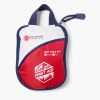


Related

Want more from NBC Select? Sign up for our newsletter, The Selection, and shop smarter.
The best emergency kits for hikers in 2026
Some of my top picks come recommended by hiking experts, and include supplies recommended by reputable agencies. Remember that you can add your own supplies to any pre-built kit to tailor it to your needs.
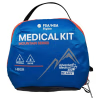
Best overall

Multiple experts I spoke with pointed to Adventure Medical Kits as a go-to brand for great outdoor emergency kits. The brand makes many different types of kits, and this one is designed for simple day hikes to multi-day journeys in rugged terrains, according to the brand. “I augment it with other things that go with where I’m going, when I’m going, and who I’m going with,” says Matt Davis, a regional trail coordinator at the North County Trail Association (NCTA). This kit has supplies for up to two days for two people, but the brand has options all the way up to kits for 10 people and 28 days as part of their Mountain Series.
Best small kit

This first aid kit is for up to two people going on a single day trip — it’s smaller, lighter and cheaper than my top pick for that reason. It may be small, but it has similar items to the Adventure Medical Kits Hiker kit, just fewer of them. For anything longer than a simple day-trip, you’ll want something bigger, or to supplement this kit with additional supplies.
Top-rated hiking essentials in 2026
Organizations like the NPS, AHS and American Red Cross all list similar essentials you should have on you when you go on any kind of hike. Below are some top-rated supplies and gear in line with their category recommendations.
Maps and navigation
It can be helpful to download maps locally to your phone or smartwatch, so you can access them even if you lose signal. Still, you shouldn’t rely solely on your phone for navigation — paper maps of national parks or your local trails are highly recommended by our experts and national agencies. You can buy paper maps or print out maps at home using tools like the U.S. Geological Survey national map viewer.


Sun protection
Think sunscreen, sunglasses, hats and sun-protective clothing. NBC Select has tested hundreds of body and face sunscreens, so I included some of our budget-friendly and travel-sized favorites below.


Illumination
An emergency flashlight is a classic for all kinds of emergency kits, but headlamps and lanterns (which you can hang) can be useful for lighting your surroundings while keeping your hands free.


Fire
The NPS, AHS and NYDEC recommend carrying a means of starting a fire: It can act as an emergency signal, heat source for cooking and means of staying warm.


Repair kit and tools
A multi-tool can help you in countless ways, including with first aid and gear repair, according to the AHS. You can also bring duct tape with you (without bringing a heavy roll) by wrapping some around a water bottle or trekking poles.


Hydration
Plan to use half a liter (or about 17 ounces) of water per hour in moderate temperatures, according to the AHS. Always carry enough water for your trip, and know where (and how) to treat water while you are hiking. You can also pack electrolyte powder and add it to your water to help replenish your bodies’ sodium, potassium and magnesium levels.


Nutrition
Hand in hand with water is food — The AHS and NYDEC recommend carrying ready-to-eat protein and calorie-dense foods for any hike, and to always pack extra just in case. Some good examples include trail mix, granola bars and nuts.
Emergency shelter
In the event you are injured or stranded, a shelter can protect you from the elements. Most expert agencies and groups recommend a space blanket, tarp, bivy or tent.


Insulation (extra layers)
Illness caused by extreme heat or cold is one of the most common hiking emergencies, says Lauren Sawyer, a senior operations specialist at REI. Wearing the right clothes for your climate, and carrying appropriate layers for the weather is essential for staying safe and comfortable.
How I picked top-rated emergency kits and supplies
Using guidance from agencies like the NPS, AHS, New York State Department of Environmental Conservation (NYDEC) and American Red Cross, I selected emergency kits and supplies based on the following criteria:
Supplies included: All of the above organizations suggest some variation of hiking essentials that includes the following:
- First aid kit: medications, bandages, athletic tape, sterile gauze, antiseptic ointment, nitrile gloves, tweezers
- Navigation: paper maps, compass
- Sun protection: sunscreen, hat, sunglasses
- Insulation (extra layers): jacket, gloves, hat, rain shell, thermal layers
- Illumination: flashlight, headlamp, lantern
- Fire: matches, lighter or fire starter
- Repair kit and tools: knife, scissors, duct tape, multi-use tool
- Nutrition: trail mix, nuts, granola bars, electrolyte powder
- Hydration: water bottles, water filters, disinfecting tablet
- Emergency shelter: space blanket, tarp, bivy or tent
How to prepare for any hike
There are plenty of things you can do alongside emergency preparedness to stay safe during a hike.
Research before you go
Learn more about your planned route, your navigation plan, the local weather, common hazards in the area, and nearby emergency facilities before you go outside, says Ben Newsome, a hardgoods sales associate at REI. A little homework goes a long way.
Work your way up
Practice hiking in more local areas (with more emergency response available) before venturing out into remote and rugged wilderness areas, says Davis. Just getting out there will build your skills over time, and make you better able to handle an emergency, if one does occur. If you’re going to be leading a group, Davis recommends taking a wilderness first aid course.
Frequently asked questions
An emergency kit for hikers differs from a home or car emergency kit in that they are typically smaller and made for specific injuries and problems that are more commonly encountered outdoors, says Sawyer. Emergency kits for your home or car tend to be larger, heavier, and more general in their included supplies.
Meet our experts
At NBC Select, we work with experts who have specialized knowledge and authority based on relevant training and/or experience. We also take steps to ensure all expert advice and recommendations are made independently and without undisclosed financial conflicts of interest.
- Matt Davis is the regional trail coordinator for North Dakota, Minnesota, and Wisconsin at the North County Trail Association.
- Lauren Sawyer is a senior operations specialist at REI. (Since REI sells hiking supplies, I only spoke with Sawyer about hiking preparedness, and did not ask for specific brand recommendations.)
- Ben Newsome is a hardgoods sales associate at REI. (Since REI sells hiking supplies, I only spoke with Newsome about hiking preparedness, and did not ask for specific brand recommendations.)
Why trust NBC Select?
I’m a reporter at NBC Select who covers technology, fitness and outdoors, including stories on hiking boots, wireless earbuds and fitness trackers. I also cover health and preparedness topics like air purifiers and power outage kits. For this piece, I spoke with outdoor experts and referenced guidelines from reputable agencies and organizations to recommend emergency kits, supplies and gear for hikers.
Catch up on NBC Select’s in-depth coverage of tech and tools, wellness and more, and follow us on Facebook, Instagram, Twitter and TikTok to stay up to date.


