

It happens to the best of us: You scratch your head or brush your hair, and tiny flakes drift onto your favorite dark-colored outfit. Since this scenario is equally as embarrassing as it is concerning, you’ll want to know exactly what’s causing it in the first place.
There are two main reasons you may be experiencing flaking: Dandruff or dry scalp. But what’s the difference, and how do you know which one you’re dealing with? I asked dermatologists about the key differences between the two conditions and how to treat each one best.
 Best budget-friendly$undefined$6.97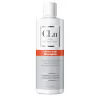


What’s the difference between a dry scalp and dandruff?
Dandruff and dry scalp can look similar, but they have very different underlying causes. “Dry scalp is typically related to a lack of moisture in the skin, much like dry skin elsewhere on the body,” says Dr. Alexandra Bowles, a board-certified dermatologist at MONA Dermatology. “Dandruff, on the other hand, is usually driven by excess oil, yeast overgrowth and inflammation on the scalp.”
The flakes caused by dry scalp tend to be smaller and drier, while dandruff flakes are often larger, greasier and yellowish, says Bowles. A dry scalp also has a tight or itchy feeling, especially in colder weather, she says. Your scalp may also look dull or slightly irritated, similar to dry skin on your arms or legs. Dandruff usually causes thicker, greasy flakes that stick to the hair or scalp, says Bowles. It usually worsens with stress, hormonal changes or infrequent washing.
“Itching is common with both, but dandruff is more likely to involve inflammation and redness,” says Bowles. “Paying attention to flake texture and scalp appearance can help distinguish between the two.” Weather changes, stress and hormonal issues, and genetics can also cause dandruff, says board-certified Dr. Jeanine Downie.
Keep in mind there is no medical diagnosis for dry scalp, and most flakes are caused by dandruff or seborrheic dermatitis (a more severe form of dandruff). “Some people only have one tiny patch where there is a slight bit of dry scalp in one area,” says Downie.
How do you treat a dry scalp versus dandruff?
Treatments for dry scalp and dandruff are very different, so it’s important to determine which one you have. “Treating dandruff like dry skin, or vice versa, often leads to frustration and persistent symptoms,” says Bowles.
You can best treat dandruff using medicated shampoos with ingredients like ketoconazole, zinc pyrithione, selenium sulfide or salicylic acid, which help target yeast and inflammation, according to the experts I spoke to. “These shampoos should be used consistently and left on the scalp for several minutes before rinsing,” says Bowles.
Dry scalp, on the other hand, responds best to gentle, hydrating shampoos that restore the skin barrier, says Bowles. Soothing, hydrating ingredients like glycerin, aloe vera, ceramides and hyaluronic acid are particularly helpful. Avoid harsh detergents like sulfates that can dry out your scalp, says Bowles.
A major difference: Washing too frequently (like daily) can worsen dry scalp, while under-washing can worsen dandruff, says Bowles. “It’s time to visit a dermatologist when you have tried over-the-counter products and your scalp issues are not getting any better,” says Downie.
How I picked the best treatments for dry scalp vs dandruff
When choosing products to treat dry scalp vs dandruff, the dermatologists I spoke to recommend considering the following ingredients:
- Dandruff: Look for medicated shampoos with active ingredients like ketoconazole, zinc pyrithione, selenium sulfide or salicylic acid to reduce the underlying cause rather than just mask flakes, says Bowles.
- Dry scalp: Look for shampoos, hair masks and scalp serums that have gentle, hydrating ingredients like glycerin, aloe vera, ceramides and hyaluronic acid.
Related

Want more from NBC Select? Sign up for our newsletter, The Selection, and shop smarter.
The best treatments for dandruff
Best dandruff shampoo overall

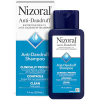
This shampoo comes recommended by both Bowles and Downie because it’s the only over-the-counter product that has ketoconazole, an expert-recommended ingredient to reduce yeast and inflammation on your scalp. It’s made for all hair types and textures, plus it has a subtle scent.
Best 2-in-1 dandruff shampoo

This 2-in-1 shampoo and conditioner is a favorite of NBC Select commerce editor Cory Fernandez because it’s gentle, smells great and lathers well. “It really made a difference in reducing dandruff and overall dryness,” he says. It also doesn’t leave your hair dry and fragile like many dandruff shampoos do.
Best budget-friendly

This shampoo lathers well, smells good and has pyrithione zinc, which is a gentle, expert-recommended ingredient that helps control yeast that can cause dandruff. It combats dryness, relieves irritation and itchiness, reduces flakes and redness, and controls oil on your scalp and hair, according to the brand.
Best for severe dandruff

One of our favorite expert-recommended dandruff shampoos, this one has salicylic acid to reduce itchiness and treat severe scalp conditions like dandruff, dermatitis and psoriasis. The salicylic acid also prevents buildup of products and dead skin cells, experts say. It also has the National Psoriasis Foundation’s Seal of Recognition, which means it helps reduce inflammation and thick plaque buildup, according to the brand.
The best treatments for dry scalp
Best hydrating shampoo

Bowles recommends this gentle Cerave shampoo for dry, irritated scalps. “[It cleanses] without stripping and helps restore moisture balance,” says Bowles. It has most of the ingredients she recommends to hydrate dry scalps, including niacinamide, hyaluronic acid and ceramides. It’s also free from common irritants like fragrance, sulfates and dyes, according to the brand.
Best hydrating serum

This scalp serum, which has a 4.8-star average rating from nearly 100 reviews at Ulta, relieves dryness, flakiness and irritation thanks to moisturizing ingredients like glycerin, squalane and bisabolol. It absorbs quickly and has a National Eczema Association Seal of Acceptance, which means it’s free from any common eczema irritants like fragrance and alcohols.
Best shampoo for dry, sensitive scalps

This shampoo is a favorite of board-certified dermatologist Dr. Alexis Young because it has sodium hypochlorite (the technical name for bleach, which is actually very gentle and antimicrobial, says Young) and salicylic acid to soothe your scalp if it’s prone to itching, dandruff or excess oils. It’s also free of common irritants like fragrance, so it’s safe for sensitive scalps.
Best for irritated scalps

This shampoo comes recommended by Downie because it’s hydrating and reduces flakes, oiliness and itchiness. It has argan oil to hydrate, niacinamide to soothe irritation and salicylic acid to gently exfoliate your scalp and prevent product buildup, according to the brand. The scent combines notes of lavender, tea tree and bergamot.
Best soothing

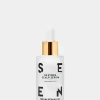
If you’re looking to soothe an irritated scalp quickly, consider this expert-recommended Act + Acre serum, which has prebiotics to feed good bacteria and help reduce scalp itching and flaking by optimizing the environment on your scalp, says Young. It also has peppermint oil to cool your scalp and reduce inflammation and discomfort, according to the brand.
Related

Frequently asked questions
“Dandruff is generally more persistent and harder to manage long-term because it’s often a chronic inflammatory condition,” says Bowles. “Even when symptoms improve, they can recur without ongoing maintenance.”
A dry scalp is usually easier to treat when you use gentle, hydrating products. However, severe or longstanding dry scalp can take time to heal if the barrier is significantly compromised, says Bowles.
It’s a common misconception that a dry scalp causes dandruff. However, they don’t directly cause each other, though the symptoms may sometimes overlap or be confused with each other. “Over-cleansing or using harsh products can dry out the scalp and disrupt the skin barrier, which may then trigger inflammation that mimics dandruff,” says Bowles. Meanwhile, “untreated dandruff can cause irritation, leading to itching and scratching, which may make the scalp feel dry and uncomfortable,” she says. So, while they’re distinct conditions, poor scalp care can blur the lines between them.
Overwashing can worsen dry scalp, while under-washing can increase dandruff. While it depends on every scalp, consider washing your hair two to three times per week as a good middle ground, experts say.
How often you use a dandruff shampoo depends on the severity. Here are tips from the dermatologists I spoke to:
- Mild dandruff: Consider using a dandruff shampoo once or twice a week.
- Moderate or severe dandruff: Use a dandruff shampoo daily or every other day, and rotate two or three different anti-dandruff shampoos. However, keep in mind that overusing dandruff shampoo may lead to dry hair.
Scalp massagers may be helpful for dry scalps since they can exfoliate dead skin and stimulate natural oil production, but they’re not a standalone treatment for dandruff, experts say. “Gentle massage can improve circulation and help loosen and remove flakes, which may temporarily reduce visible scaling,” says Bowles. “However, dandruff is most often driven by inflammation and an overgrowth of yeast on the scalp, not simply dryness.”
Also, if you use a scalp massager too aggressively, it can actually trigger more inflammation, which may worsen flaking over time, says Bowles. Use a scalp massager with light pressure, ideally while shampooing, to help distribute medicated, anti-dandruff formulas evenly rather than to aggressively scrub your scalp, she says.
“Scalp oils can be beneficial for true dry scalp, where the issue is a compromised barrier and lack of moisture,” says Bowles. In those cases, lightweight oils can help soothe irritation, especially when they have hydrating ingredients like jojoba oil and aloe vera. Use a small amount of a noncomedogenic oil (which means it won’t clog pores) and wash it out regularly, says Bowles.
However, dandruff is a different condition: “Many oils can feed the yeast associated with dandruff, potentially worsening flaking and itching rather than improving it,” says Bowles. “This is why oiling the scalp often feels soothing at first, but can backfire days later if dandruff is the underlying issue.” If you have dandruff, avoid applying oil directly on your scalp and focus on anti-dandruff shampoos with proven active ingredients, instead.
Meet our dermatology experts
At NBC Select, we work with experts who have specialized knowledge and authority based on relevant training and/or experience. We also take steps to ensure all expert advice and recommendations are made independently and without undisclosed financial conflicts of interest.
- Dr. Alexandra Bowles is a board-certified dermatologist at MONA Dermatology in Cincinnati, Ohio.
- Dr. Jeanine Downie is a board-certified dermatologist at Image Dermatology in Montclair, New Jersey.
- Dr. Alexis L. Young is a board-certified dermatologist based in Paramus, New Jersey.
Why trust NBC Select?
I’m an updates editor at NBC Select who regularly covers beauty and personal care. I have very fine hair, and have been on the hunt for the best products to add volume, combat oil and keep frizz at bay for years. For this article, I interviewed three dermatologists about the differences between dry scalp and dandruff, plus how to combat both.
Catch up on NBC Select’s in-depth coverage of tech and tools, wellness and more, and follow us on Facebook, Instagram, Twitter and TikTok to stay up to date.


